VIEW INDIAN PARADISE…


India is a fantastic country, I absolutely love it and can never get enough. Many feel the same but others never visit put off by perceived difficulties. Travel in India is challenging- more so with kids, fascinating and immensely rewarding. In this page I ’ll try to prepare you for India and give you some tips to make travel in easier smoother and easier. I’ll also give you a few ideas on where to go, amazing attractions and how to get around India.

Top 12 India Travel Experiences

So, let me take you through some Indian experiences that you can include in your travel itinerary.

1. Explore the Wildlife of Indian Forests

In the culture that is overwhelming, sometimes the countries wildlife takes a back seat. India is home to several well-known large mammals, including the Asian elephants, Bengal and Indochinese Tigers,Asiatic lions, Snow leopards, Clouded leopards, Indian leopards,Indian sloth bear and Indian rhinoceros. Some other well-known large Indian mammals are: ungulates such as the rare wild Asian water buffalo, common domestic Asian water buffalo, gail, gaur, and several species of deer and antelope. Some members of the dog family, such as the Indian wolf, Bengal fox and golden jackal, and the dhole or wild dogs are also widely distributed. However, the dhole, also known as the whistling hunter, is the most endangered top Indian carnivore, and the Himalayan wolf is now a critically endangered species endemic to India. It is also home to the striped hyena, macaques, langur and mongoose species.

Collarwali Tigress at Pench National Park - Explore Indian National Parks
Collarwali Tigress at Pench National Park

Most forests come under the forests department who are responsible for conserving and preserving them. This means the entry is restricted. It is usually accessible through guided safaris, where a forest jeep and a forest guide will take you around and show you flora and fauna of the forest. Some national parks also offer elephant safaris, walking safaris and boat safaris too.

All safaris are worth exploring. Imagine sitting in a boat surrounded by lush green forest and animals just doing their regular business and birds flying all over.

Single-horned Rhinoceros grazing at Hollong

Some national parks like Pench, known for being the setting of Mowgli allow you to live in tree houses. There are some forests with lovely tribal villages or forts and this where you get to explore nature and ancient aboriginal culture.

2. Understand the Indian Temple Architecture

Growing up in the northern state of Punjab, I grew oblivious to the stunning temples that exist in most of India. I discovered the temple architecture pretty late in life. However, once enticed, I can not just get enough of them. The more I visit an ancient Indian temple, the more I discover, an architecture that is soaked in stories, legends, philosophy, aesthetics, and history.

I highly recommend that you visit at least one set of ancient Indian temples, whichever part of the country you visit.

If you are visiting for the first time and doing the most popular Delhi, Agra & Jaipur circuit, consider extending it to include Khajuraho.

Kandariya Mahadev Temple at Khajuraho

Heading to the Himalayas? check out Jageshwar Dham in Uttarakhand or Stone and Wood Temples of Himachal Pradesh.

Southern States

If you are doing southern states, you would be spoilt for choices, wherever you go, you will find beautiful temples. My favorite cities to explore south Indian temples would be Kanchipuram and Thanjavur. Both present the two prominent temple architecture styles – Pallava & Cholas. Kerala has its own slanting roof architecture dominated by wood.

Brihadeeswara Temple popularly called the Big Temple or Thanjavur Temple

In the West, you should not miss Kailash temple at Ellora or Kopeshwar Temple in Khidrapur.

Eastern states, check out the lovely Terracotta temples of Bishnupur or the Puri, Bhubaneshwar, and Konark in Odisha.

In the North East, there is Kamakhya temple near Guwahati and then the temple town of Sibasagar.

Even the touristy Goa has its own style of Goan temple architecture.

Look for the material used in the making of a temple, the motifs used, the stories carves, the style of Shikhara or the superstructure, the presiding deity and local folklore when you visit an Indian temple.

3. Visit a Museum for some time travel

Museums are not really our strong point when it comes to popular tourist places. Having said that, to meet India of a different space and time, you do need to check out some of our museums. Your travel cannot be complete without visiting a few museums.

Shiva Lila from Tanjore Gallery of National Museum Delhi - Must visit museum in India
Shiva Lila from Tanjore Gallery

Archaeological Survey of India has many museums full of ancient artifacts, specially excavated sculptures that are like a treasure hunt. Ask a curator to take you around the museum, and you will discover the stories and technologies of good old days of the nation.

  • Delhi, I highly recommend the National Museum and Sulabh Toilets Museum
  • Mumbai check-out the Bhau Daji Lad museum that documents the city of Mumbai and its rich & diverse history
  • Chennai – the Egmore Museum has the best of Chola bronzes
  • Kolkata, we have the oldest of Indian Museums called India Museum
  • Hyderabad has Salarjung museum for history and a very innovative Sudha Car Museum
  • Jaipur has the Albert Hall Museum
  • Ahmedabad has Calico Museum
  • Vizag has a submarine museum

Every state capital and major archaeological sites have impressive museums. Mathura museum has some of the best gems of Mathura school of Art.

Buddha statue in Mathura School of Art style in Red Stone at Mathura Museum

Do not hesitate & request the staff to show you the museum. The documentation and guided tours are still in the making. Hopefully, this should change soon.

4. Enjoy Indian Cuisine in a Thali

You would probably eat Indian food primarily during your India tour. However, make sure you try a local Thali whichever part of the country you set out to explore. A Thali is a full platter that comes with many dishes, sometimes as many as 30+.

Rajasthani Thali - Richest Indian Thali
Rajasthani Thali

Thali meal usually comes in a round plate, with different bowls carrying different dishes. Some items are common but Thali from every region is different. It is full of local cuisine, local and seasonal vegetables and side dishes like pickles, lassi or sweets.

You must experience a local Thali whichever part of the country your India Itinerary takes you to.

Satvik Thali in an Indian Ashram

I also recommend that you try a meal at a local temple or an ashram. This would be simple yet wholesome food that is served with a lot of gratitude. It is almost always served free though you are free to contribute to the temple after the meal.

5. Converse with an Indian River

Ancient Indian Civilizations grew on the banks of rivers. Even today, almost every major city or town has a river or two flowing through it.

Rivers are considered Goddesses for their life-sustaining waters or mothers for they nurture us with their water. The tradition today lives in the form of river worship. In many places, you will see temples dedicated to major rivers like Ganga, Yamuna, Narmada, and Kaveri.

Ganga Aarti at Dashashwamedh Ghat in Varanasi

I strongly suggest that you attend at least one Arti of a river that you may be passing by. The most well-known river Artis are:

Most of these Artis is done in the evening, just after sunset. Lit up lamps reflecting in the waters of the river look beautiful. This is not a formal event where you need an invitation. Just land up at the place where Arti is performed, and be a part of it.

Sunset time over the mighty Brahmaputra river, Guwahati

You can also take cruises on rivers like Ganga and Brahmaputra or boat rides on rivers like Chambal and Mandovi.

6. Go Shopping in Indian Bazaars

Markets are a microcosm of a culture, an indicator of what is consumed by that land. Now, of course, we have new age shopping malls in almost all big and small cities.

My favorite go -to places are old style markets where small vendors bring their stuff to sell. You will be surprised how these markets are dominated by women.

Colorful Hyderabadi Bangles

Old markets have areas designated for different types of merchandise like one lane for clothes, another for jewelry and a different for spices. So, you get all your options in one place to choose from. In Goa, Mapusa market is even designed to make sure that you can buy the fish just before heading home.

Brassware at Chawri Bazaar, Old Delhi - Shopping India Souvenirs
Brassware at Chawri Bazaar

Indian markets are crowded and chaotic and buzzing with energy. I can bet this is the best place in the world to hone your negotiation skills. If you are not in a mood, just stand in a corner and see the ongoing negotiations. They are just a treat to watch.

Some of our favorite markets across the country are:

Highly recommend that you spend a few hours in a local Indian market during your India Travel, no matter which part you travel to. You see a transactional world that is so much a part of any culture.

7. Hike to a Fort

In Sanskrit or Hindi, Fort is called Durg meaning something that is not easy to reach. So, the forts are usually located on hilltops from where the soldiers can keep an eye on any approaching danger of any kind. There are forts all along the long coastline of the nation.

Landscape view of Kumbhalgarh Fort, Rajasthan - Must See India
Landscape view of Kumbhalgarh Fort, Rajasthan

Many forts are as large as a mid-sized city with villages living within the fort walls. Fortified with tall strong walls on which you can literally walk, these forts are a living heritage. Each fort has some unique construction to admire like Vijay Stambh in Chittorgarh Fort or the second longest wall of Kumbhalgarh Fort.

There are sea forts like Sindhudurg that have been standing in the middle of the see for 400+ years with a source of sweet water. There are forts like Jhansi made famous by the queen who ruled from here. And there are living forts like Orchha and Jaisalmer Fort.

India was made up of many small kingdoms until 1947. So, it is not difficult to find a fort anywhere in the country. Check out our series on – Forts of India

You can also try and live in a heritage hotel, which may have been a palace or a house of a noble family once upon a time.

8. Taste Street Food & Let your taste buds go wild

I can live on Indian Street Food. You find it everywhere, in the streets, in public places, outside colleges and universities and just about anywhere.

Ravi Gol Gappe Wala - Lucknow
Ravi Gol Gappe Wala – Lucknow

Indian street food is generally tangy with a generous dose of spices. They work perfectly on the tongue, though on the stomach the effect may vary from person to person. The list of street food is exhaustive, but here are some popular options:

Pani Puri also called Gol Gappe or Puchkas
Pao Bahji
Aaloo Tikki
Wada Pao
Samosa
Kachori
Bhelpuri or Jhalmuri
Bhajjis or Pakodas
Bhutta or roasted corncob

My favorite cities for vegetarian street food are Indore, Lucknow & Ahmedabad. Though every city has something unique to offer in their platter of Indian street food.

Kalkatta Dahi Wada - Visiting India must try street food
Kalkatta Dahi Wada – Mouth watering Street food in Jaipur to try

9. Weave in a Textile Stop in your India Travel Plan

India has a long history of textiles and everything to do with textiles. The world came to us for textiles, for the dyed cloth in indigo. There are different weaves and patterns that have evolved over a period of time, over which we paint and we do embroidery, sometimes even with gold and silver and gemstones. Textile heritage of the country is incredible and one that you must explore beyond just shopping.

Colorful Handloom Saris, Maheshwar Indian Textile shopping
Colorful Handloom Saris – Maheshwar

Popular weaving hubs are Varanasi, Kanchipuram, Sri Kalahasti, Pochampally, Patan, Paithan, Bhagalpur, Maheshwar, Bishnupur among many others.

You can also see weaving being done at some of the Khadi Ashrams. Try to understand how the threads are woven together to make patterns on the garment.

Saris are the most beautiful example of the textile tradition of the nation. However, the woven cloth is used to stitch all kinds of garments and home linen.

Do include Textiles in your Indian tour – it is one of the few continuously living heritage of the country.

If you are a jewelry enthusiast, do explore the jewelry along with textiles. From tribal jewelry in beads and silver to gem-studded jewelry to junk jewelry on the roadside stalls – it is a world in itself to explore.

10. Fruits – Have you tasted our Mangoes?

Fruits thankfully still belong to their respective geographies despite all the initiatives to plant them elsewhere. Mango is the king of fruits for us and the best time to enjoy them fresh is peak summers.

Mango Fruit stalls in Panaji Market, India summer travel delights
Mango Fruit stalls in Panaji Market, Goa Summer Delights

Sometimes I feel we manage to tolerate the summers only because it brings Mangoes and other juicy fruits like melons with it. Most Indians would have fond Mango stories to tell.

We all fight about which Mango variety is the best. Everyone likes the one they grew up with. I love Banarasi Langda while my spouse thinks Alphonso is the best mango. There are mangoes that you cut and eat, the ones you suck and eat, the ones you make drinks from and eat and the ones you pickle to savor for the rest of the year.

Litchi and Bel are some other summer fruits found mostly in the foothills of Himalayas.

Enrich your India Travel by tasting these yummy fruits.

11. Explore the Rural Life and Artisan Villages during India Travel

You might have heard that real India lives in its village. I do not agree with that. I think urban areas may have similarities with urban pockets around the world. Rural regions are little more rooted in the culture and traditions.

Gateway to the fort at Bishnupur, Must visit rural India
Gateway to the fort at Bishnupur

I recommend spending some time in a small village. Check out this list of Rural Tourism Companies that offer experiences in Indian hinterlands.

National award winner Dhokra artist Smt Budhiarin Devi at Ektaal crafts village

You can also choose to visit artisan villages like Bishnupur in Bengal, Raghurajpur in Odisha, Pochampally near Hyderabad or Firozabad near Agra. Again these places are not too difficult to find. You just need to budget some time in your trip itinerary to stop at a village and explore the simpler life of agrarian society.

12. Soak in a bit of Living Art Forms during India Travel

Culture is best communicated through native art forms and the country has so many that I always lose count. Here are some ideas for you to connect or pick up. Check out the local newspapers for ongoing shows and tickets.

Kathakali performers mix with the audience to engage
  • Watch a classical or a folk-dance performance
  • Watch a Bollywood Film – you can even take a Bollywood tour in Mumbai
  • Attend a painting or a Rangoli making workshop
  • Visit an Art exhibition
  • Take a Yoga class
  • Join a cooking course
Haleem Khan performing Kuchipudi, Indian dance form to learn during travel
Haleem Khan performing Kuchipudi

India Travel is all about discovering a new facet of the country at every step. We have a local saying that translates – Every 3 km the water changes and every 12 km the language changes and along with them changes everything else. This is the nuanced diversity this country holds.

Yoga Practice on the beach? Travel India
Yoga Practice on the beach?

Do include some of these experiences if not all when you plan your India travel.


What is the Best Time of Year to Travel in India
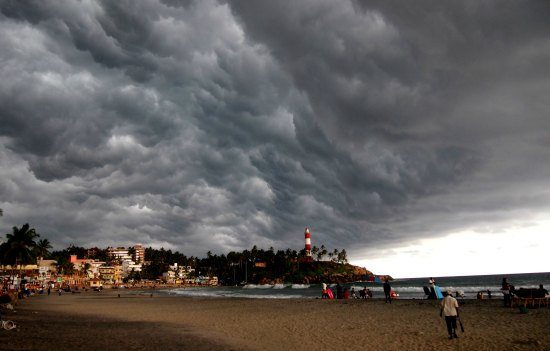
A stunning pre-monsoon “summer storm” rolls in off the sea in Kovalam, Kerala. We found pre monsoon temperatures on the coast were OK with fan only, we didn’t need aircon and the sea breeze was our friend.

India is a huge country with corresponding climactic variations, so any time of year can be a good time to visit.

Some will tell you not to visit in the hot pre-monsoon period. We’d disagree, we’ve been in Rajasthan and Southern India and that time of year, yes, it was hot, but we still had a great time.

I’ve never experienced India during the monsoon ( wet season), which starts in May in the south and then works its way north and east over the next 6 weeks, but it’s something I’d love to see. Diseases, including malaria, are more of a risk during the monsoon and flooding is a possibility, so maybe this is only for risk takers like me.

Electricity and Internet in India for Travellers
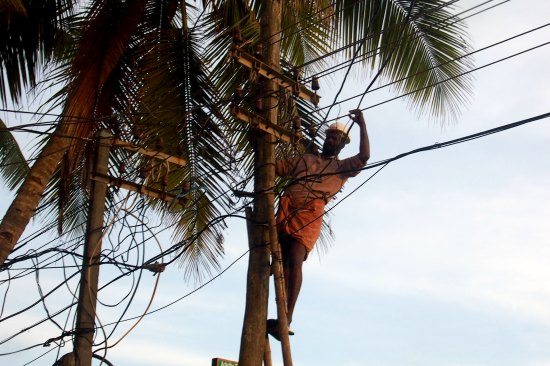
Planned repairs by the local electricity department caused this power-cut. We think!

Powercuts seem to happen all the time in India, everywhere we’ve visited. When the power goes out, so does the internet ( often along with fans or air conditioning), not much fun when you’re putting an India travel blog together.

I can’t speak for the whole of India, but this has been our experience so far.

Sometimes generators kick in when the power goes out, sometimes not.

We found Indian internet connections to be slow and unreliable. Not good news for people like us. The best speeds we found were in Kerala, but every power cut ( often brought on by thunder storms) would knock it out.

The figures are here, India has the second slowest average connection speed in the Asia-Pacific region. This 2015 list puts India in 15th position for download speeds in Asia.

Indian electricity sockets supply 250V 50Hz ac and have 3 round holes in a triangular configuration, or, sometimes, 2 round holes. In order to get a 2 pin adaptor into the 3 hole socket, we had to use a pencil in the top-most round hole ( the larger earth connector), this lifts the protectors to the bottom two pins.

Overview

I would like to say that many travellers and tourists from many countries of the world visit INDIA every year and INDIA is only one country with all this stunning experience and variety in every part of it from Northern to Southern and from Eastern to Western in food,clothing, people , language and all the stuff…..
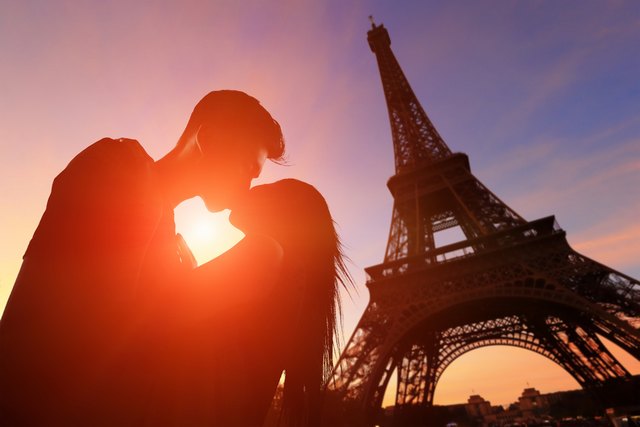
PERFECT PARIS (CITY OF LOVE & ROMANCE)


Paris, France’s capital, is a major European city and a global center for art, fashion, gastronomy and culture. Its 19th-century cityscape is crisscrossed by wide boulevards and the River Seine. Beyond such landmarks as the Eiffel Tower and the 12th-century, Gothic Notre-Dame cathedral, the city is known for its cafe culture and designer boutiques along the Rue du Faubourg Saint-Honoré.

Area: 105.4 km²
Currency: Euro
Population: 21.4 lakhs (1 Jan 2019)
Places to Visit in Paris:

1. Eiffel Tower

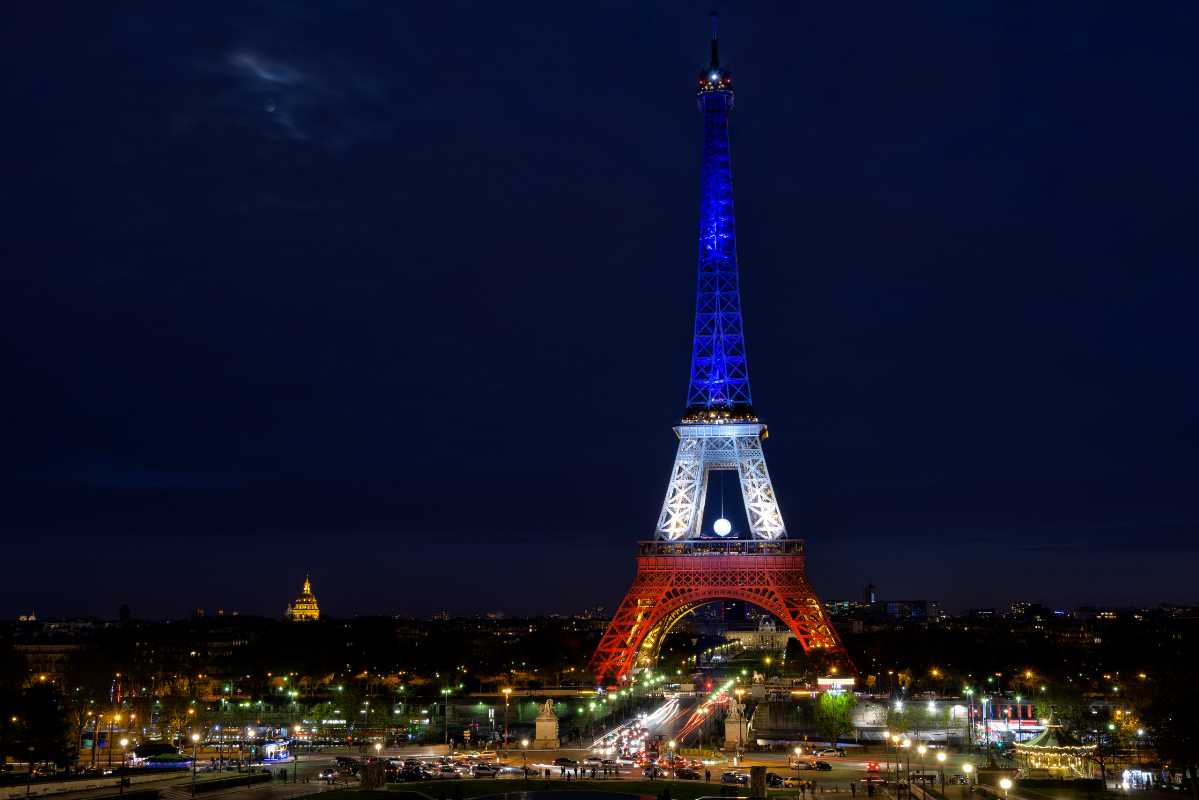
Eiffel Tower Night View

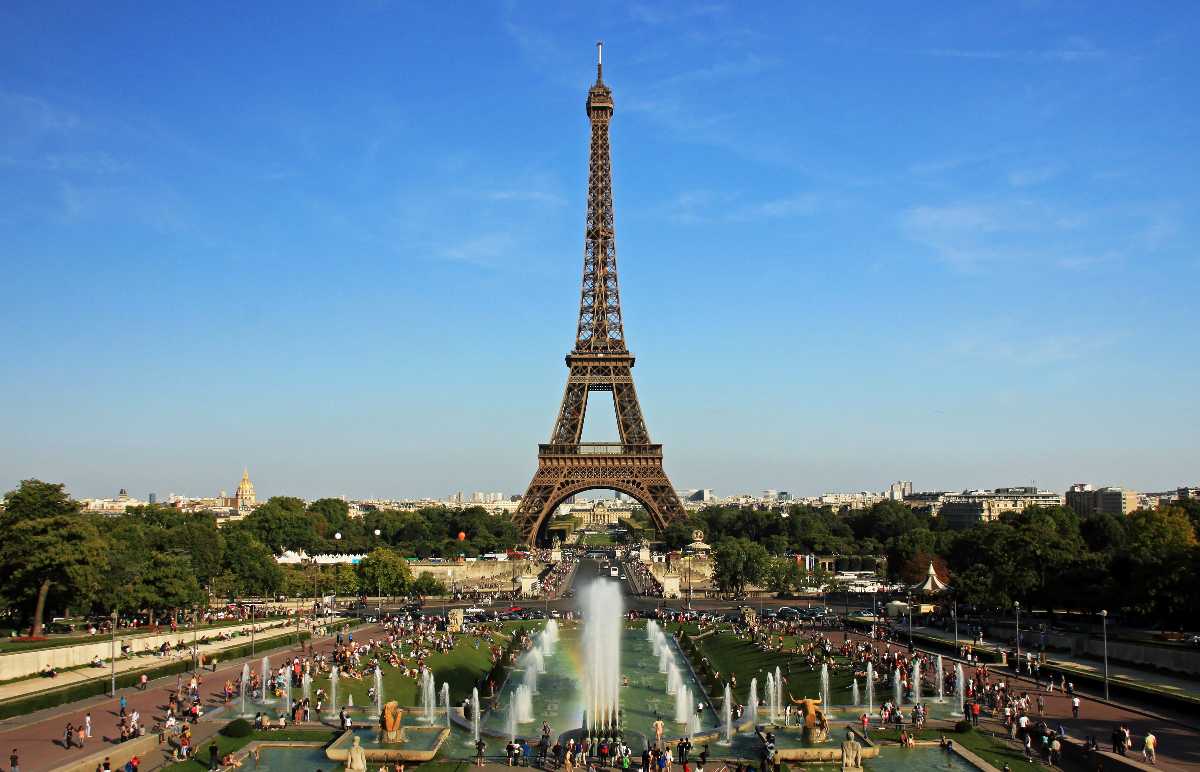
The Eiffel Tower is the very symbol of Paris, more so like a civic emblem

The Eiffel Tower is to Paris, what the Statue of Liberty is to New York or the Big Ben is to London. Gustave Eiffel built this iconic iron tower in 1889 for the World Exposition to celebrate the centennial of the French Revolution. Built as a temporary exhibit, only later did the city officials recognise its worth as a radio-telegraph station, and now it is one of the busiest tourist attractions. Absorb the City of Lights with a resplendent view from the 2nd and 3rd floor and the newly built transparent 1st floor. Tickets are available at the base of the tower, however it is advisable you make an advance purchase from the website owing to the immense rush.

Timings:

9:00 AM – 12:00 AM

 Entry Fee:

Adult – EUR 17,
Children (below 12) – EUR 12

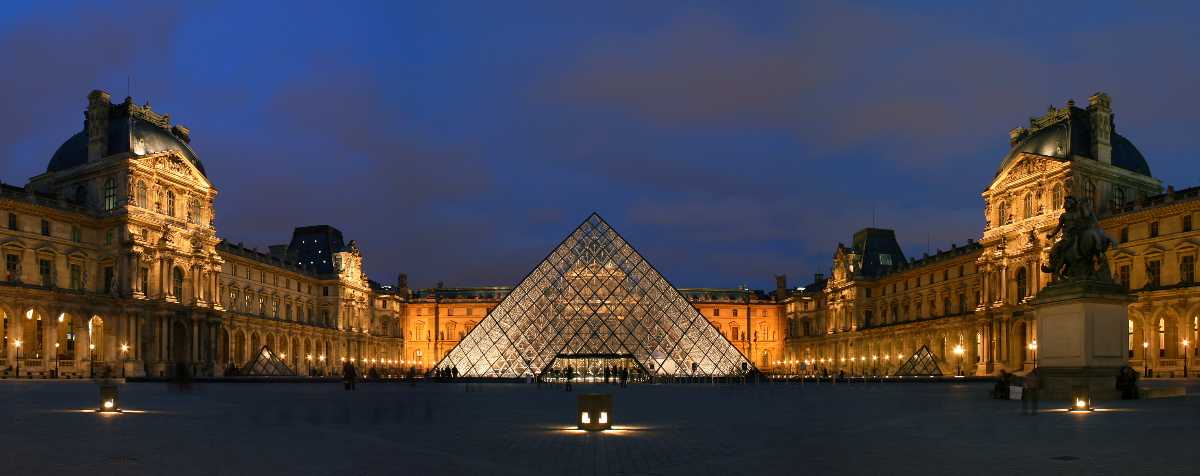
2. The Louvre

Musee du Louvre is one of the world’s largest museum known for its masterpieces.

Originally built as the palace of French kings, the walls of the Louvre have been witness to a lot of historical events since the very inception. Now it is home to some spectacular collections dating back to prehistoric times, divided into eight departments – Egyptian Antiques; Oriental Antiques; Islamic Art to name a few. The Mona Lisa, Venus de Milo, art by Rembrandt, Vermeer, Caravaggio are without doubt the popular ones. Attached to the Louvre are the Gardens of the Carrousel, the Tuileries and the Eugne Delacroix museum, which are also worth a visit. Be ready to be enchanted as you enter through the glass Pyramid de Louvre and let the museum mesmerize you till the very end.

Timings:

Monday – Sunday: 9:00 AM – 6:00 PM,
Wednesay & Friday: 9:00 AM – 9:45 PM,
Closed on Tuesday

 Entry Fee:

  EUR 15,
Free entry on the first Sunday from October – March

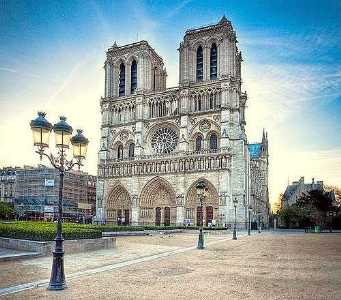
3. Notre Dame

Cath_drale de Notre-Dame is a Roman Catholic church on the Ile de la Cit_, known for its architecture.

Timings:

Monday – Friday: 8:00 AM – 6:45 PM,
Saturday – Sunday: 8:00 AM – 7:15 PM

 Entry Fee:

Free Entry to the Treasury is chargeable at a minimal EUR 3.

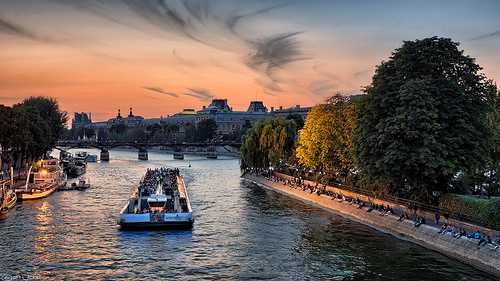
4. Cruise on Seine River

A cruise on the Seine right through the heart of Paris.

Departing from the foot of the Eiffel Tower, this hour long cruise takes you through the historic centre of Paris. Sit back, relax, as you get spectacular glimpses of the city’s most iconic monuments – Notre-Dame Cathedral, the Louvre and the Mus_e dÍOrsay, amidst others. Audio guides are available in different languages giving you insights about the city. So grab a crepe and hop on board, while you drift on the gentle waters of Seine.

Timings:

Day & Night

Entry Fee:

Adult – EUR 20,
Children (below 12) – EUR 12

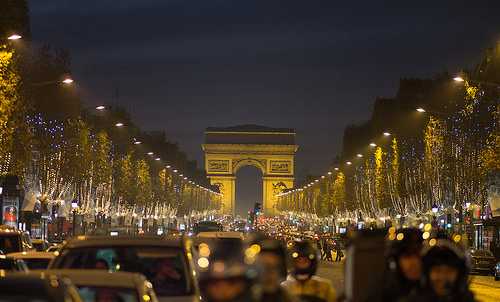
5. Champs Elysees

Paris’s iconic 2 km promenade stretches from the Place de la Concorde to the Place Charles de Gaulle. There exists a plethora of restaurants, boutiques, flagship stores in the likes of Hard Rock Cafe, Louis Vuitton, Mont-Blanc, Ferrari, Abercrombie and Sephora. Pure delight for all you brand conscious shopaholics! During festival time, this place is a sight to behold. The Fondation Louis Vutton, the restored Grand Palais, Petit Palais and Musee de Louvre stand as adornments to this beautiful avenue. The regal Arc de Triomphe, puncturing the street offers a panoramic view of the city from a height. Fondation Louis Vutton – The Fondation towers over Bois de Boulogne and is like a magnificent ship with billowing sails. Frank Gehry, the designer has revolutionanised the use of glass, by embellishing the panes with dyed filters that create fields of vibrant hues. Commissioned by Bernard Arnault, chairman of the luxury goods conglomerate LMVH, it houses Bernart’s private collection amidst others. Grand Palais – This architectural masterpiece made of stone, steel and glass is comprised the Nave, National Galleries and Palais de la D_couverte. Characerized by a large glass dome, don’t miss this if in Champs Elysees. L’Arc de Triomphe – The 164 foot towering arch is a commemoration to the valiant soldiers who served in Napolean’s army. The climb to the top is worth for a spectacular bird’s eye view of the city, while you can halt way as well to just visit the museum.

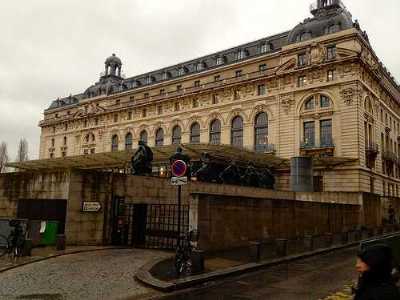
6. Musee d’ Orsay

Originally a railway station, the Musee d’Orsay , is now home to some mesmerizing collections, with the structure of the Beaux-Arts station retained.

This museum is renowned for its rich collection of impressionist and post impressionist paintings by the likes of C_zanne, Van Gogh, Monet, Degas, Gaugin. Also on display is various expressive forms of paintings, art, as well as sculpture. Renovated in 2011, some new rooms have been added, along with an aquatic themed Cafe!

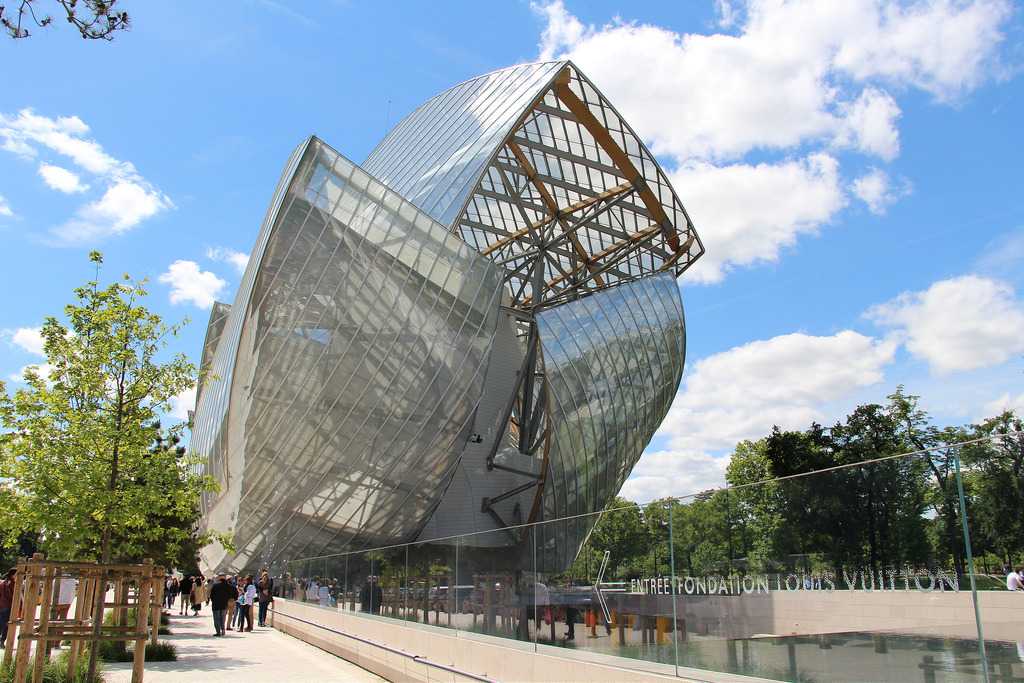
7. Foundation Louis Vuitton

The Louis Vuitton Foundation is an art and cultural museum funded by the LVMH group.

The Fondation towers over Bois de Boulogne and is like a magnificent ship with billowing sails. Frank Gehry, the designer has revolutionanised the use of glass, by embellishing the panes with dyed filters that create fields of vibrant hues. Commissioned by Bernard Arnault, chairman of the luxury goods conglomerate LMVH, it houses Bernart’s private collection amidst others.


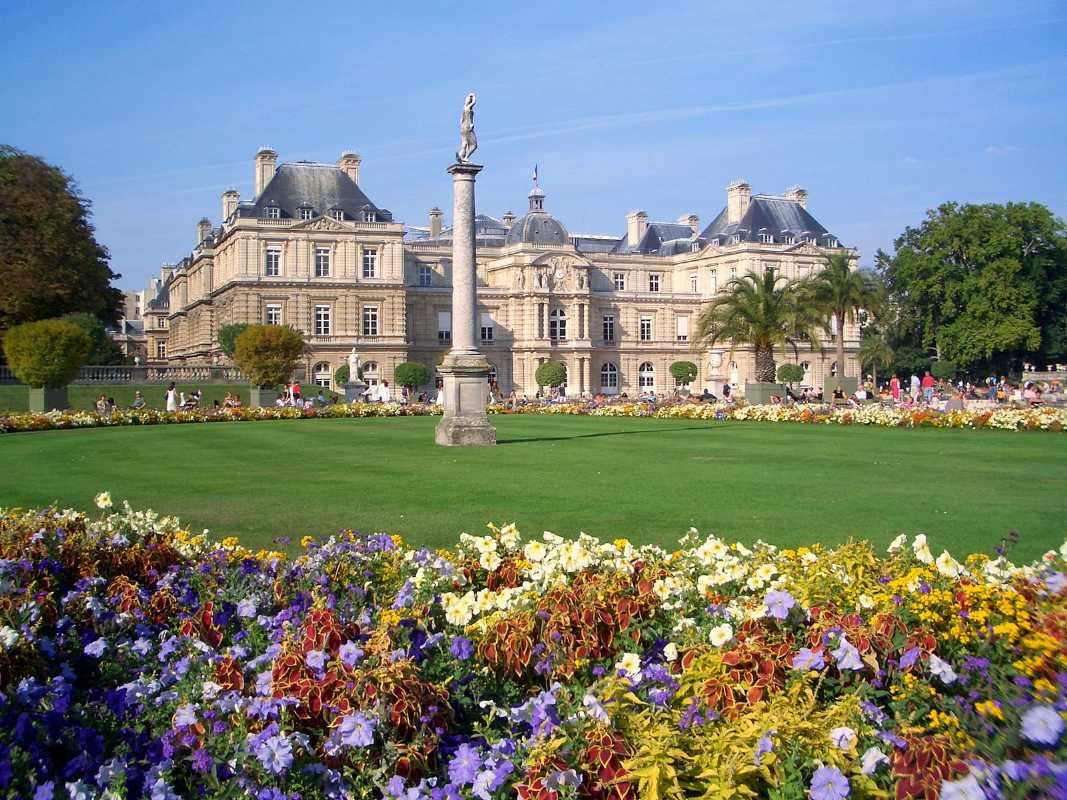
8. Jardin du Luxembourg


Situated near the Latin Quarters, the Luxembourg Gardens is the second largest public park in Paris.

The garden of the French Senate is inspired by the Boboli Gardens in Florence. Set amidst lush greenery, this place is perfect to savour the cosmopolitan atmosphere while you watch the locals. Spend a lazy evening learning bee keeping, playing chess or simply relaxing.

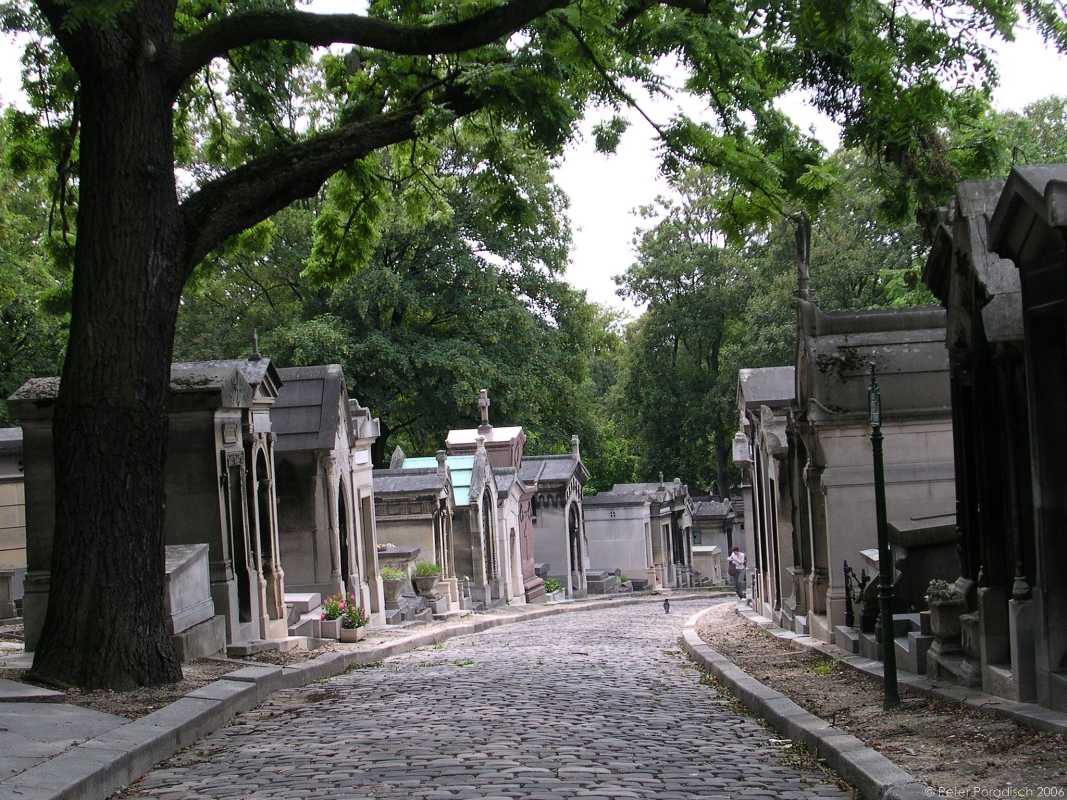
9. Cimetiere du Pere Lachaise

The largest cemetery in Paris is an extremely peaceful walk as you pay homage to some of the renowned names in history.

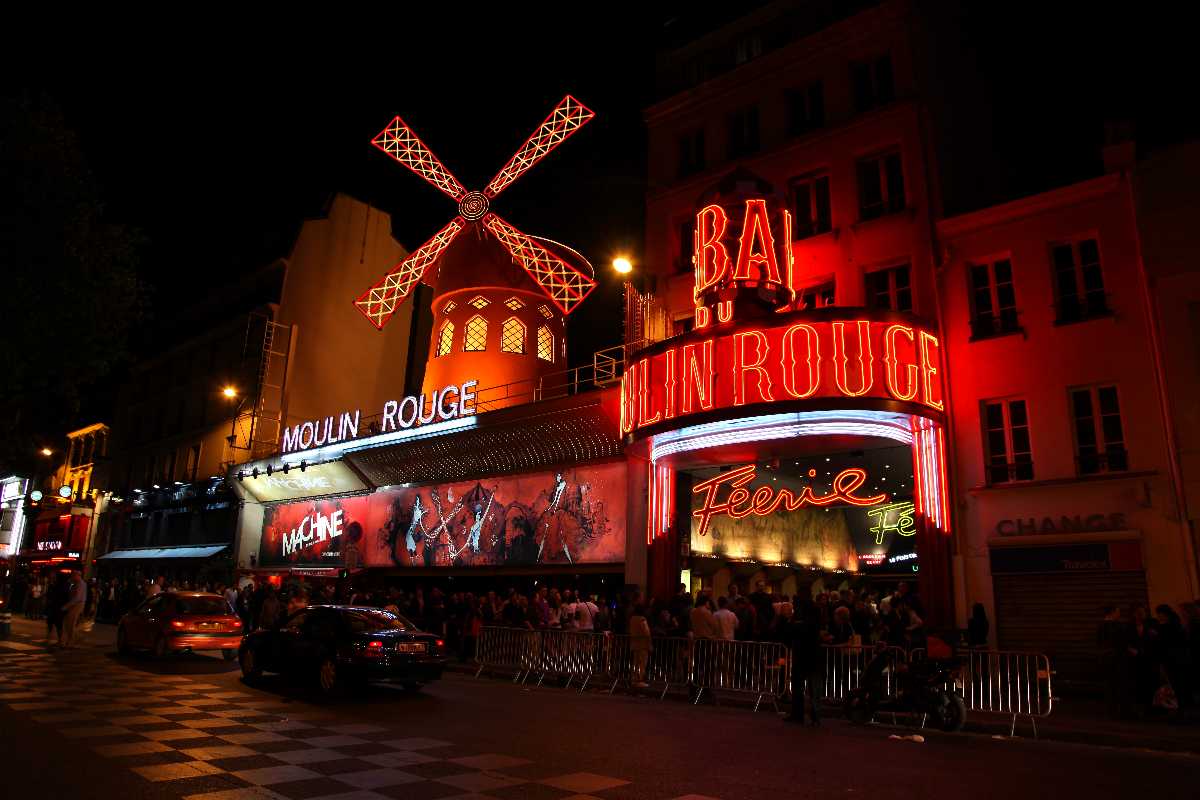
10. Cabaret

Paradis Latin was transformed into the most famous cabaret location in Paris, by Gustave Eiffel.

Situated a short walk away from the Notre Dame, this Cabaret is probably the oldest in the world. A vivacious mix of dance, music, acrobatics and magic, the show is imbued with French joie de vivre (joy of living). You can choose the dinner-spectacle option to dine during the show or settle for some champagne.

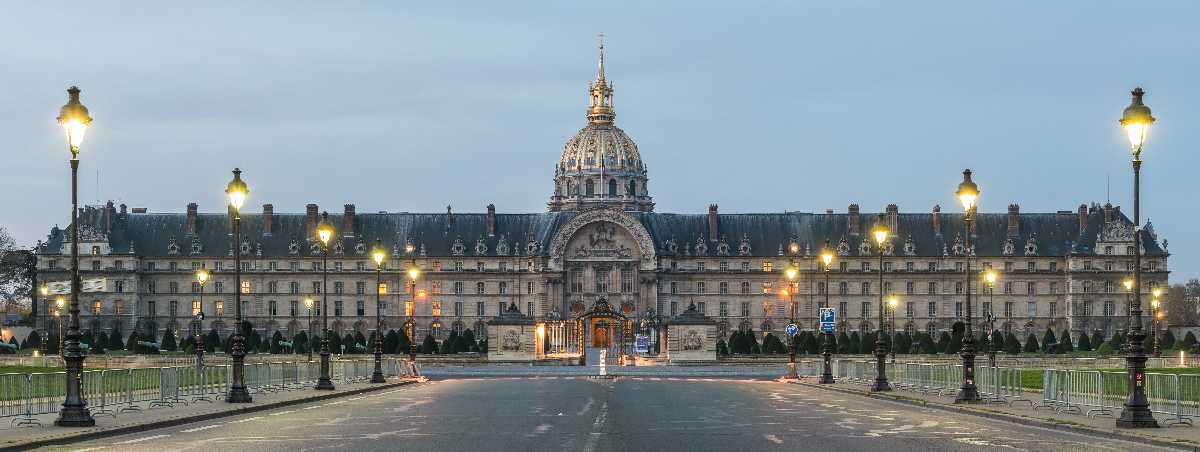
11. Hotel Des Invalides

The facility was originally built to shelter invalides (disabled war veterans). Even today a portion of the building serves as a veterans’ residence and hospital.

The Äglise du Dome, with its sparkling golden dome, is one of the finest religious edifices. It served as an inspiration for the US Capitol building. This is also the eternal home of Napoleon Bonaparte, after his tomb was moved from the island of St. Helena.

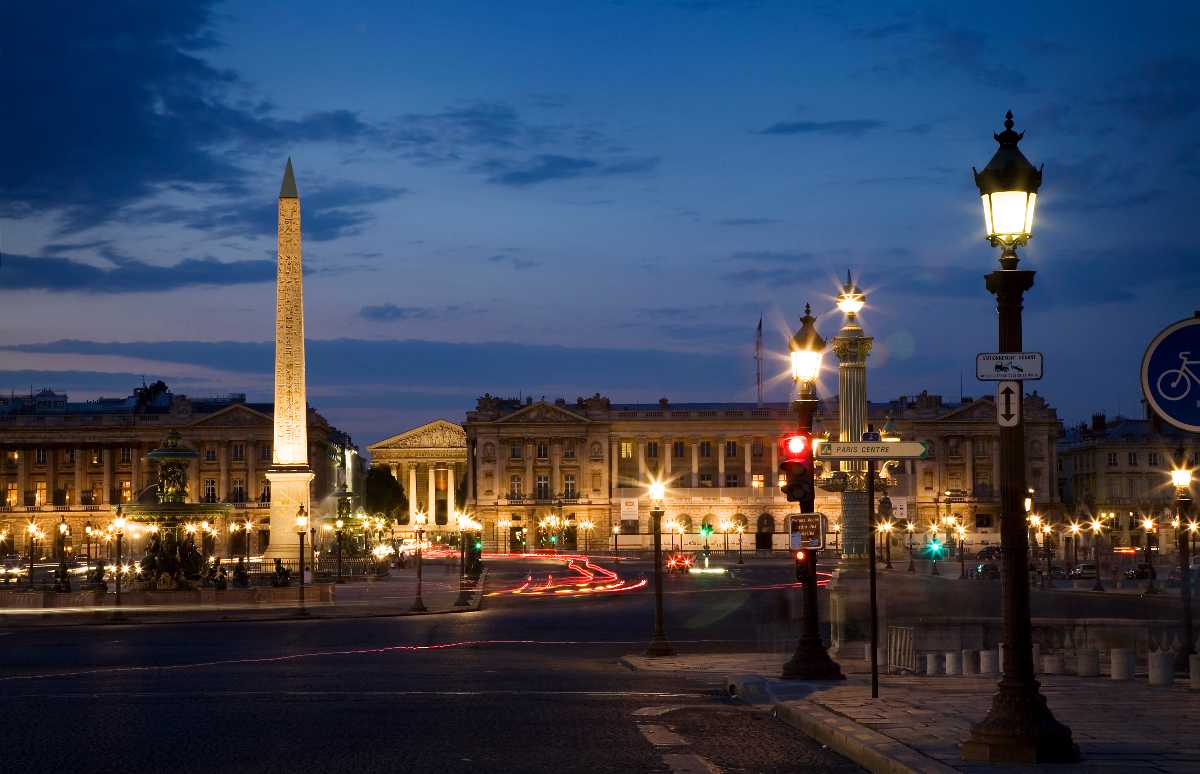
12. Place de la Concorde

The Place de la Concorde is the largest public square in the French capital and one of the major squares in Paris, France. The square, designed by Ange-Jacques Gabriel in 1755, is octagonal and is bordered by gardens, hotels, and emblematic statues on each angle. The two fountains, Fountain of River Commerce and Navigation, and the Maritime Fountain, that date back to the time of Louis-Philippe and the beautiful view of the Eiffel Tower on one side, and the River Seine along with it makes Place de la Concorde a must visit. It also contains the renowned Obelisk that dates back to ancient Egyptian times. There are magnificent attractions that are present near Place de la Concorde such as Palais Bourbon, Jeu de Paume, Roue de Paris, Tuileries Garden, and Musee de l’Orangerie.

WHEN TO VISIT & GENERAL TIPS:

  • Summer is the high season in Paris with longer days and the best possible weather. But summer in Paris also means more tourists, long lines to visit Paris’ main attractions and higher prices.Generally speaking, the shoulder season – Spring and Fall – is good because it’s often less crowded and the temperature is pleasant.
  • At the Airport, only Use Regular Taxis.                                                                                      
  • The Parisian Metro takes you everywhere in Paris, with opening times starting from 5.30 am to 2.15 am on weekends. Apart from the single metro tickets, valid also for bus and tram rides, the Parisian Metro has different passes well worth the investment, especially if you take the metro more than 3 times a day.

 MUST WATCH THIS VIDEO…..

Amazing Rio De Janeiro


Rio de Janeiro or simply Rio is anchor to the Rio de Janeiro metropolitan area and the second-most populous municipality in Brazil and the sixth-most populous in the Americas. Rio de Janeiro is the capital of the state of Rio de Janeiro, Brazil’s third-most populous state. Part of the city has been designated as a World Heritage Site, named “Rio de Janeiro: Carioca Landscapes between the Mountain and the Sea“, by UNESCO on 1 July 2012 as a Cultural Landscape.

Founded in 1565 by the Portuguese, the city was initially the seat of the Captaincy of Rio de Janeiro, a domain of the Portuguese Empire. Later, in 1763, it became the capital of the State of Brazil, a state of the Portuguese Empire. In 1808, when the Portuguese Royal Court transferred itself from Portugal to Brazil, Rio de Janeiro became the chosen seat of the court of Queen Maria I of Portugal, who subsequently, in 1815, under the leadership of her son, the Prince Regent, and future King João VI of Portugal, raised Brazil to the dignity of a kingdom, within the United Kingdom of Portugal, Brazil, and Algarves. Rio stayed the capital of the pluricontinental Lusitanian monarchy until 1822, when the War of Brazilian Independence began. This is one of the few instances in history that the capital of a colonising country officially shifted to a city in one of its colonies. Rio de Janeiro subsequently served as the capital of the independent monarchy, the Empire of Brazil, until 1889, and then the capital of a republican Brazil until 1960 when the capital was transferred to Brasília.

download (4)

Rio De Janeiro   (Brazil)


The best things to do in Rio de Janeiro

Watch this video which contain 18 most Excellent things to do in Rio de Janeiro click on it…..

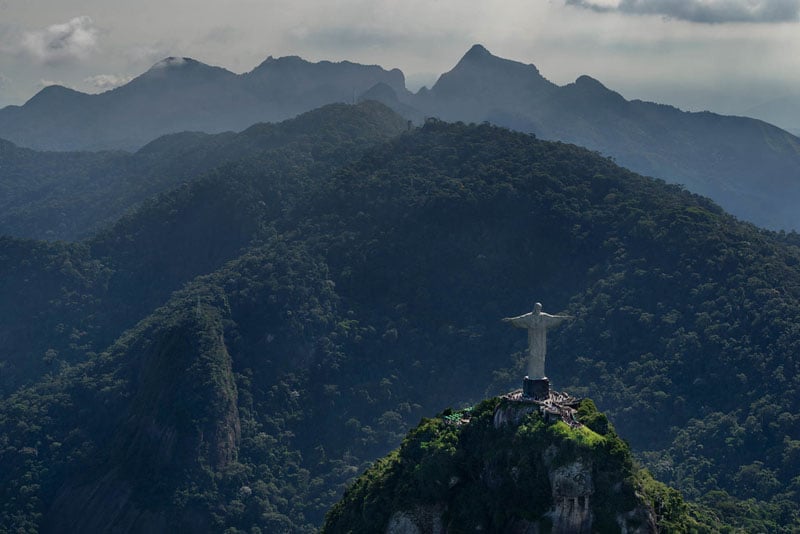
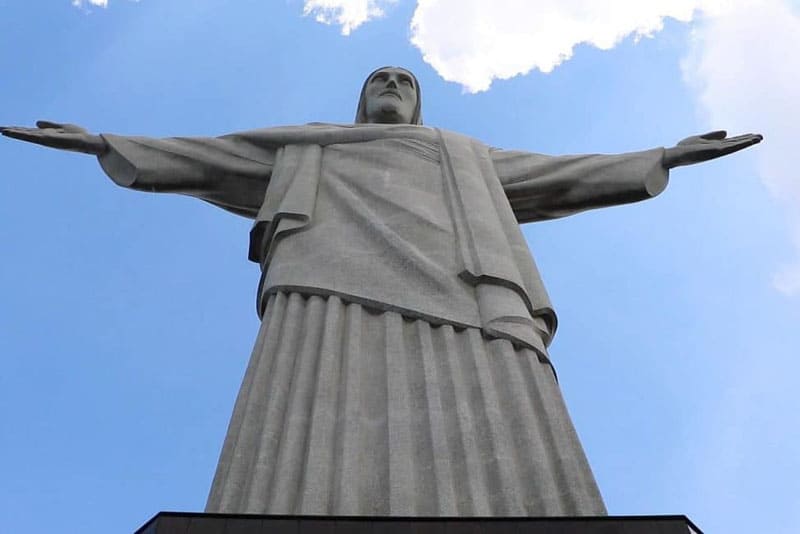
1) Christ the Redeemer

things-to-do-in-rio-de-janeiro-mountains

One of the most iconic things to do in Rio de Janeiro is to visit Christ the Redeemer.

It’s one of the most recognized in the world. When picturing Rio, this is what everyone envisions. Christo Redentor stands proudly over the city at the top of Corcovado Mountain.

christ-the-redeemer

To visit you can hike up the mountain, take a minibus or enjoy a scenic train ride.

Standing at 38 metres high, this is one imposing statue that is not to be missed.

I highly recommend going in the morning or at sunset. Midday is extremely busy with tours.

2) Copacabana Beach

things-to-do-in-rio-de-janeiro-beach

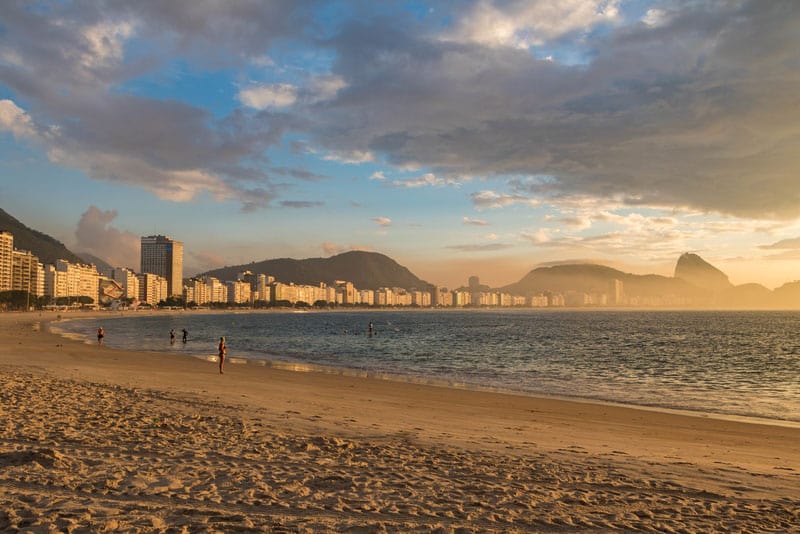
It’s the most famous beach in the world and a trip to Rio wouldn’t be complete without spending at day at Copacabana.

This four km iconic beach is filled with energy and excitement.

Vendors and restaurants line the sand and a wide paved pathway along the road makes for an easy stroll.

What we love about Copacabana Beach is how there are no hotels on the beach, they are all located across the road.

copacabana-palace

Stay at the historic Copacabana Palace Hotel.
The most iconic hotel is the Belmond Copacabana Palace Hotel.

This hotel was the first in the area dating back to 1923. It’s almost as if the beach life built up around the Copacabana Palace.

The art deco building takes up an entire city block and is the epitome of old-world luxury mixed with urban chic.

3) Sugarloaf Mountain

things-to-do-in-rio-de-janeiro-cable-car.jpg

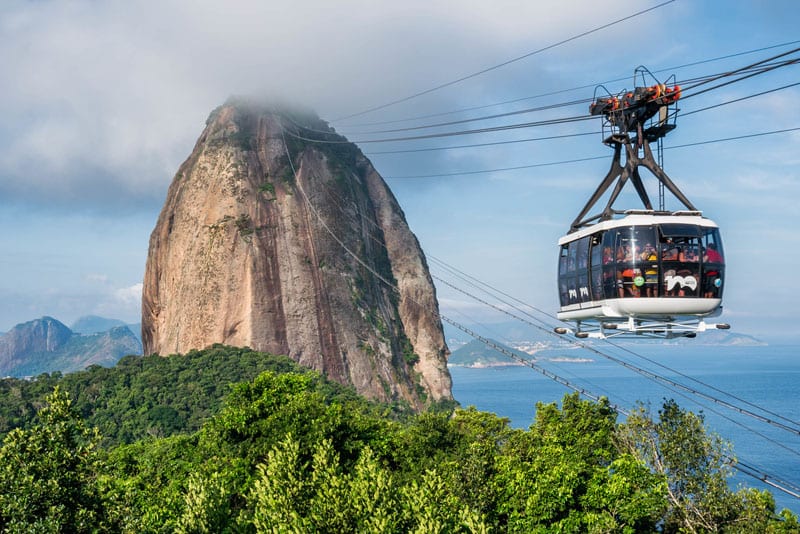
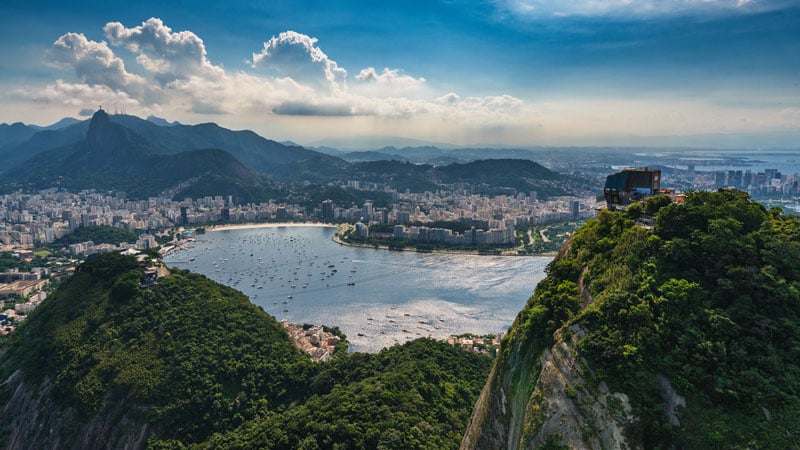
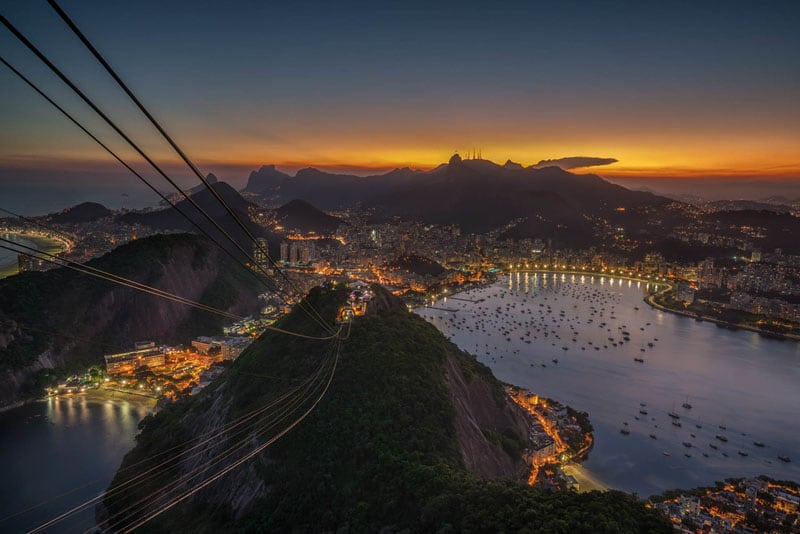
Sugarloaf Mountain rises 396 m over the Rio Harbour and really contributes to the aesthetic of the city’s spectacular skyline. It is named so because it resembles a Sugarloaf; a hard packed bunch of sugar that looks like a cone.

Sugarloaf mountain is an excellent spot to watch the sunset and take in the panoramic views of the city.

Getting to the top involves taking two cable car rides dangling over the gap between two mountains.

The ride is a thrill as it takes you to the top of the city.

4) Ipanema Beach

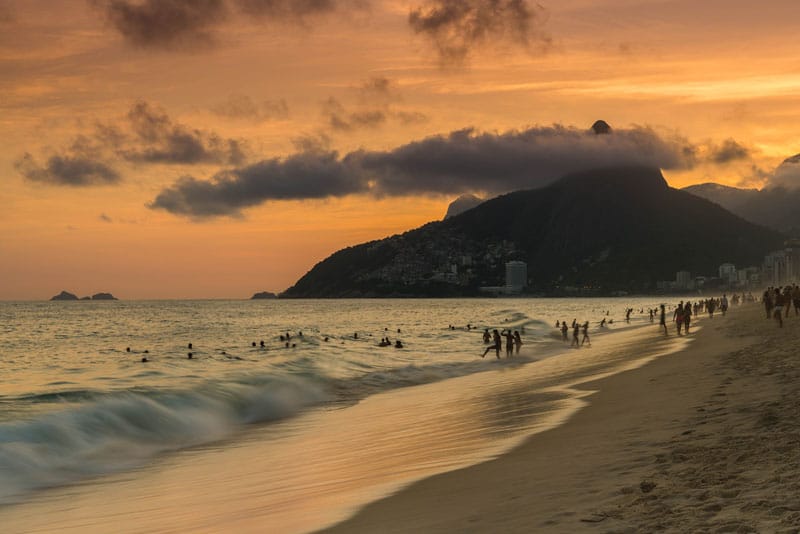
things-to-do-in-rio-de-janeiro-sunset.jpg

Ipanema Beach is essentially attached to Copacabana Beach located just around a pier.

This is another long stretch of Rio sand where people play beach volleyball and bask under sun umbrellas.

Just a block up from the beach, you can visit the Girl From Ipanema Cafe where the famous song was penned.

Ipanema is more of a residential area than Copacabana so there aren’t as many hotel choices, but there are three beach hotels.

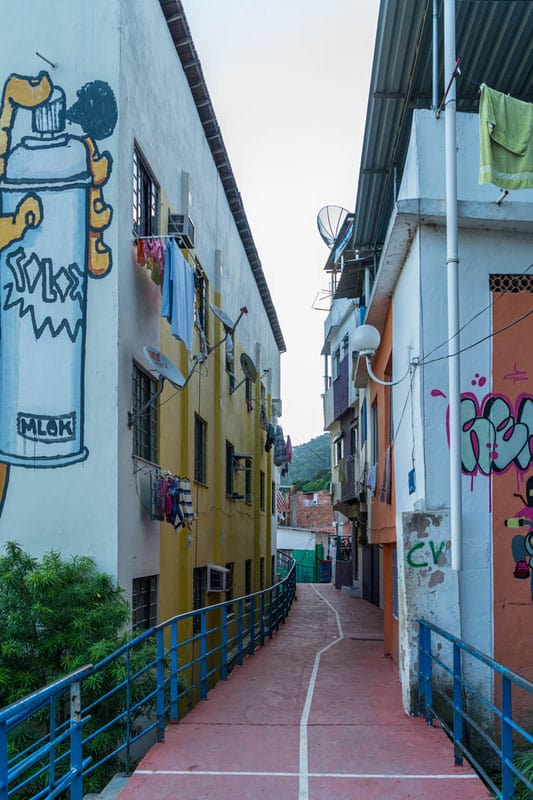
5) Santa Marta Favela Tour

If you want to learn more about Rio culture, take a favela tour to visit local communities.

There are 800 favelas in Rio and nearly 1.5 million people inhabit these shanty towns.

Favelas used to be overrun by drug lords and gangs, but they are slowly being pacified and now there are a handful of favelas that are safe for tourists to visit.

santa-marta-favela.jpg

7) Lapa Steps

things-to-do-in-rio-de-janeiro-stairs.jpg

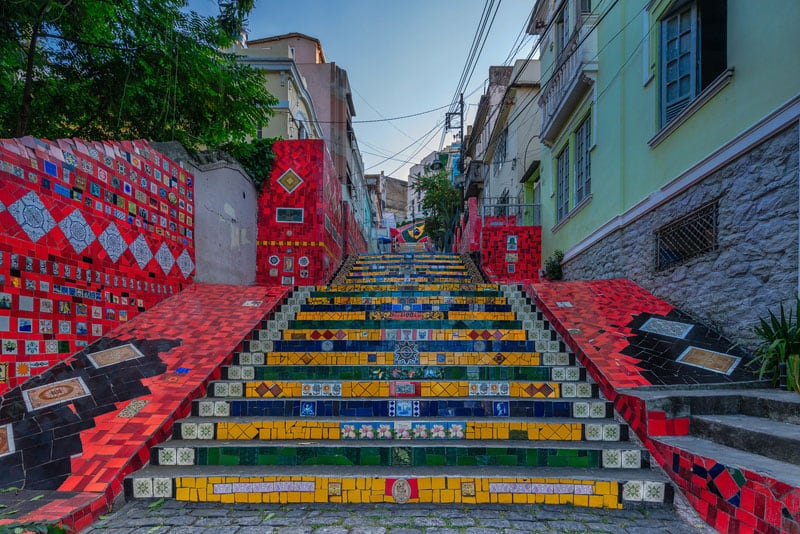
The Lapa Steps are a popular attraction where visitors can climb the 215 colourful tiled steps that lead from the Lapa neighbourhood to Santa Teresa.

Chilean Artist Escadaria Selarón started laying tiles on the dilapidated steps that ran in front of his house.

He laid colourful tiles from around the world until his death in 2013.

There are more than 2000 tiles from more than 60 countries from around the world. The steps have turned into a masterpiece.

8) Helicopter Scenic Flight

sugarloaf-mountain.jpg

9) Downtown Rio

things-to-do-in-rio-de-janeiro-alley.jpg

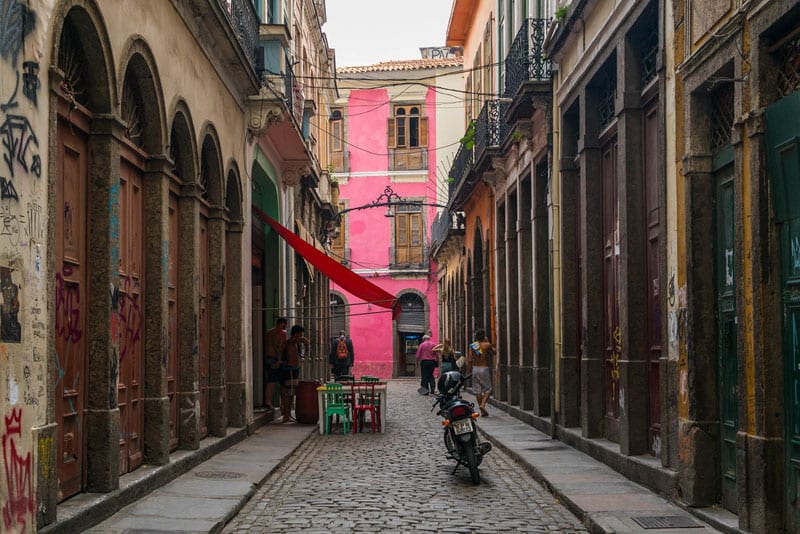
Downtown Rio is definitely worth spending a day to explore.

The alleyways are charming mazes filled with cafés and stores.

There’s markets, cathedrals, museums and monasteries. If you get a chance, be sure to take a Rio City tour.

10) Museum of Tomorrow

museum-of-tomorrow.jpg

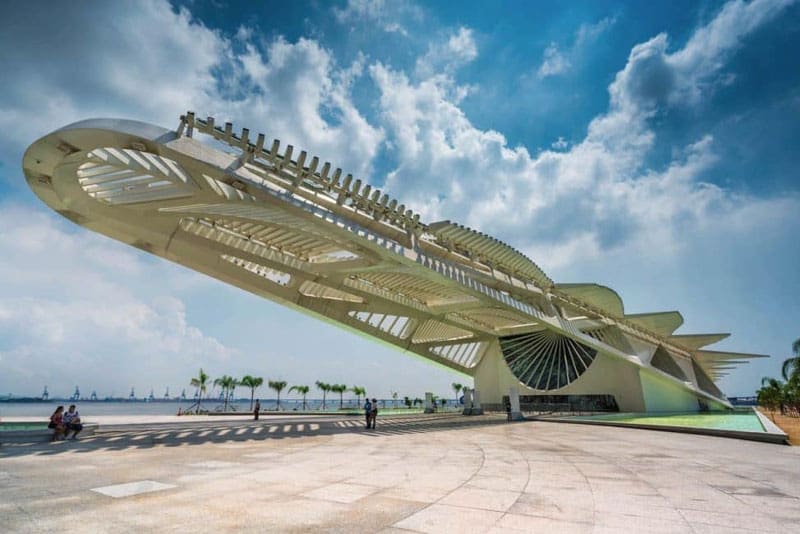
The Museum of Tomorrow is located on the waterfront of downtown Rio. Opening in December 2015, it is one of the world’s most extraordinary architectural designs.

While touring downtown Rio, you must make a stop at this museum.

The museum is devoted to ways to avoid climate disaster, environmental degradation, and social collapse.

11) Dona Marta Lookout

Many people feel that the best view of Rio is from Christ the Redeemer, but you actually get a far more stunning view from just part way up Corcovado at the Dona Marta Lookout.

Standing at 275 meters high, it definitely gives you the best view of the city and the bonus is there aren’t any crowds.

Unlike Christo, this lookout is rarely shrouded in clouds. Hire a car and head there for sunset.

12) Samba

samba.jpg

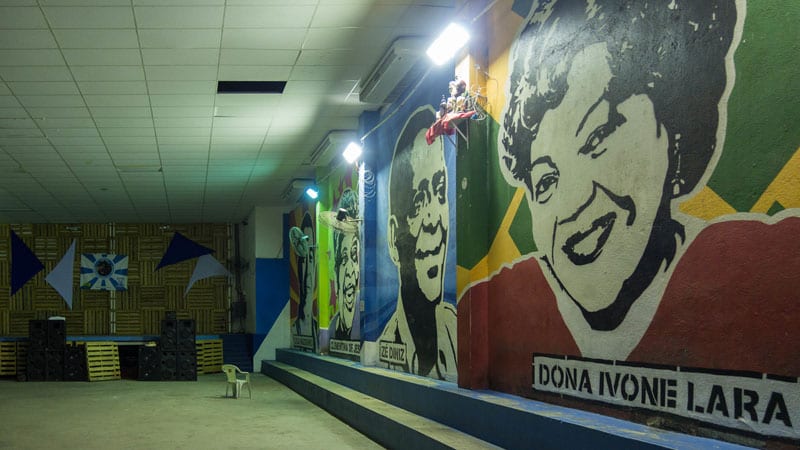
Every year Rio hosts the biggest party on earth. The Rio Carnival is legendary.

It’s all about the samba culture and if you visit a favela you will learn a bit about it.

Make sure to stop at the Sambadrome to see the parade route where schools compete for the title of best samba troupe.

13) Parque Lage

things-to-do-in-rio-de-janeiro-pool.jpg

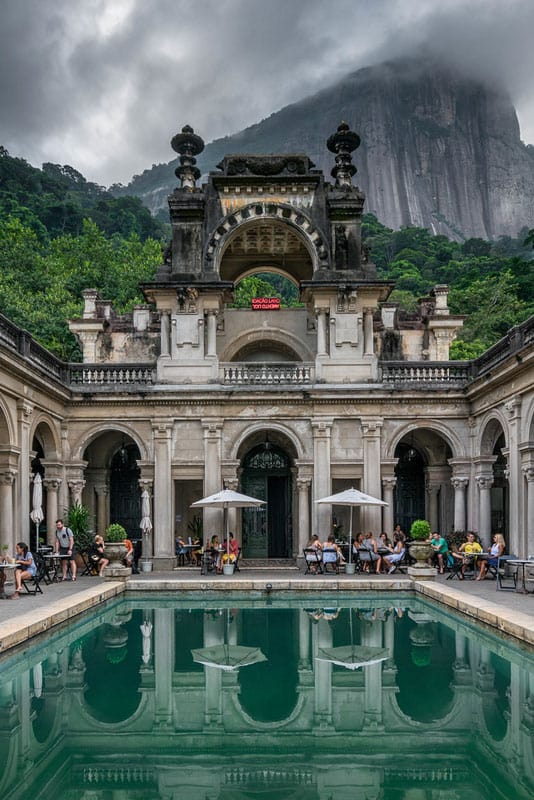
For a quiet escape visit the public park of Parque Lage.

A mansion stands in the center of the park surrounding a pool where you can sit in a cafe and enjoy a cup of coffee as you take in the view of Christo above.

There are walking trails and many families choose to picnic here on the weekend.

Food of Rio

brazil-restaurant.jpg

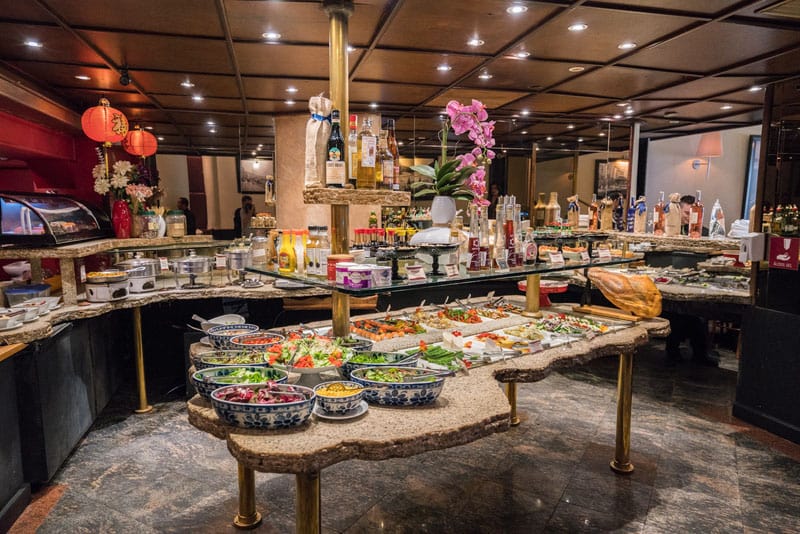
In Rio, the place to do this is the Churrascaria Palace. When you walk into this famous eatery, you feel as if you have stepped back in time.

Waiters in black and white bring cuts of prime meat around to your table and slice off top cuts with skill and ease.

The meal begins at the salad bar that is filled with delicious treats like sushi, fresh fruits and vegetables, endless salads and bread.

Don’t fill up though, because the perfectly seasoned meats will keep coming to your table until you can’t eat another bite.

Lunch at the Confeitaria Colombo

things-to-do-in-rio-de-janeiro-restaurant.jpg

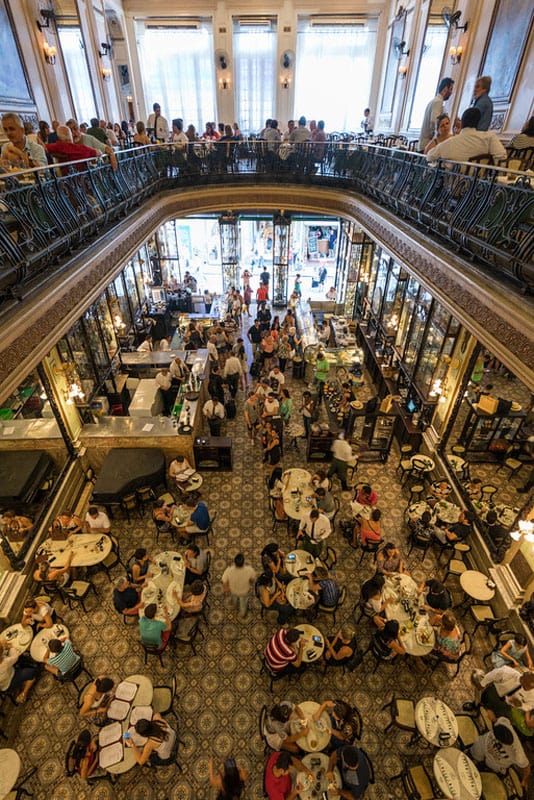
Another iconic stop for food is the Confeitaria Colombo. Built in the late 1800s, this Parisian style cafe serves pastries and desserts mixed with high tea. Many people stop in and browse the delectable treats downstairs.

There is an upstairs dining experience as well where you can eat fresh food from the buffet while the piano man plays popular classic tunes throughout your meal.

Take a ride on Rio’s oldest elevator and peek over the balcony lets around a large oval.

Shop at the Mercado Popular

things-to-do-in-rio-de-janeiro-market.jpg

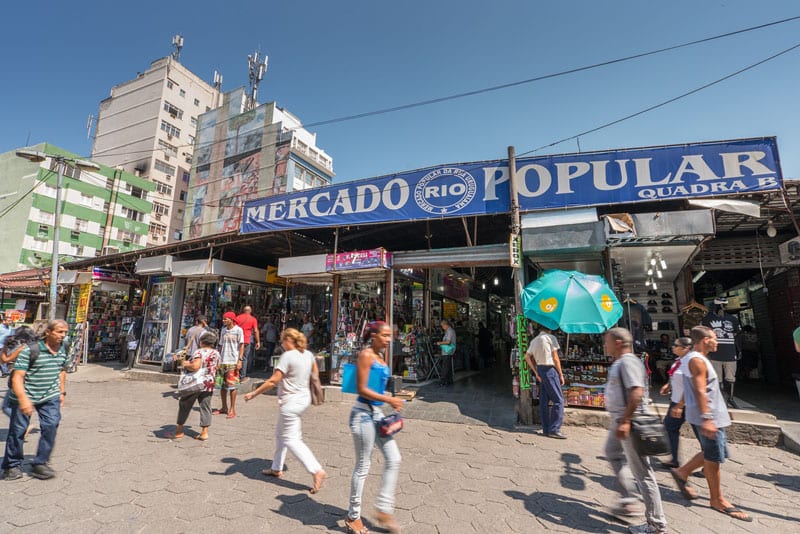
If you want some deals, the Mercado Popular is a great way to spend the afternoon.

The vendors from Ipanema and Copacabana shop for their wares at this market so you can be sure you’ll get a great deal. There are Haviana flip-flop shops everywhere.

Rio Scenerium

live-music.jpg

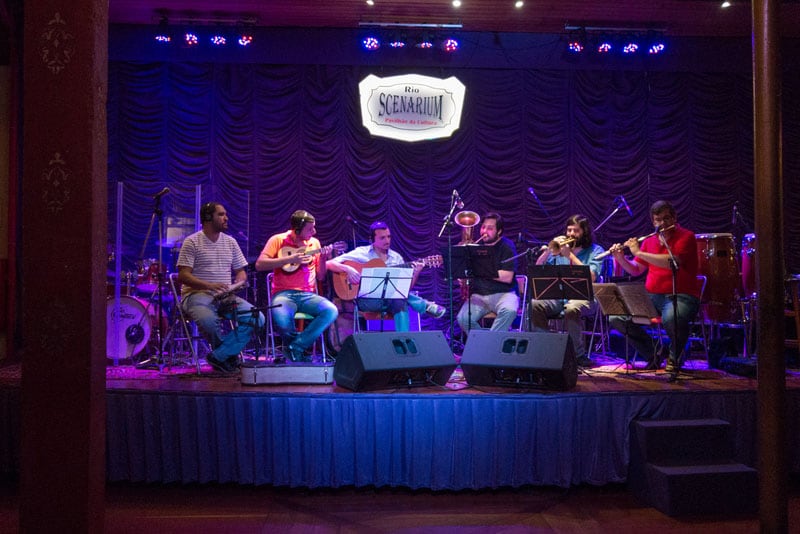
Rio Scenerium is just the coolest nightclub in town, as live bands play while Samba dancers show off their talents.

With three floors of memorabilia, private rooms and quiet corners, it’s the perfect spot to spend an evening. Take some samba lessons and hit the dance floor.

Everyone is very welcoming and you’ll soon find yourself with a partner showing you the ropes.

But if you aren’t up for dancing, don’t worry, listening to the talented bands play is worth entering alone.

Cool Night of Rio

things-to-do-in-rio-de-janeiro-night.jpg

NIGHT VIEW OF RIO

Rio is spread out and congested with traffic, so be sure to give yourself plenty of time for sightseeing.

Private guides are an excellent way to get around as they can navigate through traffic, give you insider tips, and keep you out of the more questionable neighbourhoods.