PERFECT PARIS (CITY OF LOVE & ROMANCE)


Paris, France’s capital, is a major European city and a global center for art, fashion, gastronomy and culture. Its 19th-century cityscape is crisscrossed by wide boulevards and the River Seine. Beyond such landmarks as the Eiffel Tower and the 12th-century, Gothic Notre-Dame cathedral, the city is known for its cafe culture and designer boutiques along the Rue du Faubourg Saint-Honoré.

Area: 105.4 km²
Currency: Euro
Population: 21.4 lakhs (1 Jan 2019)
Places to Visit in Paris:

1. Eiffel Tower

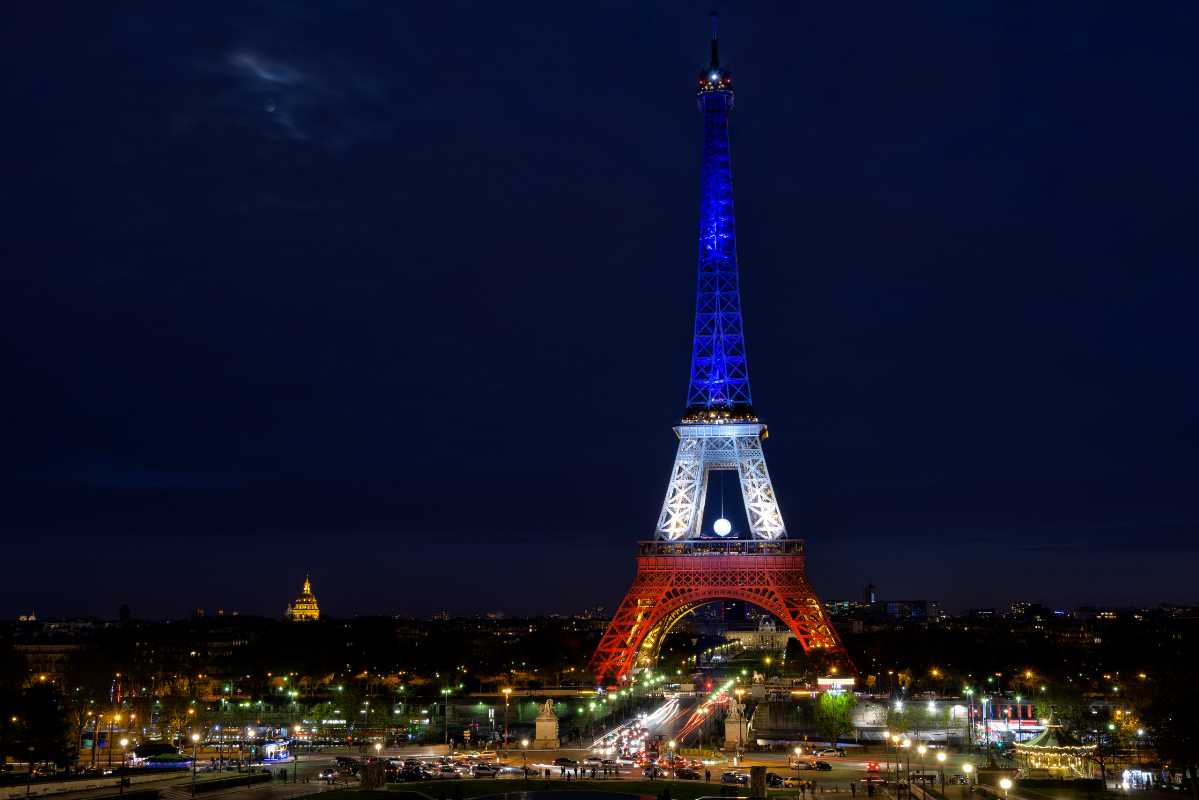
Eiffel Tower Night View

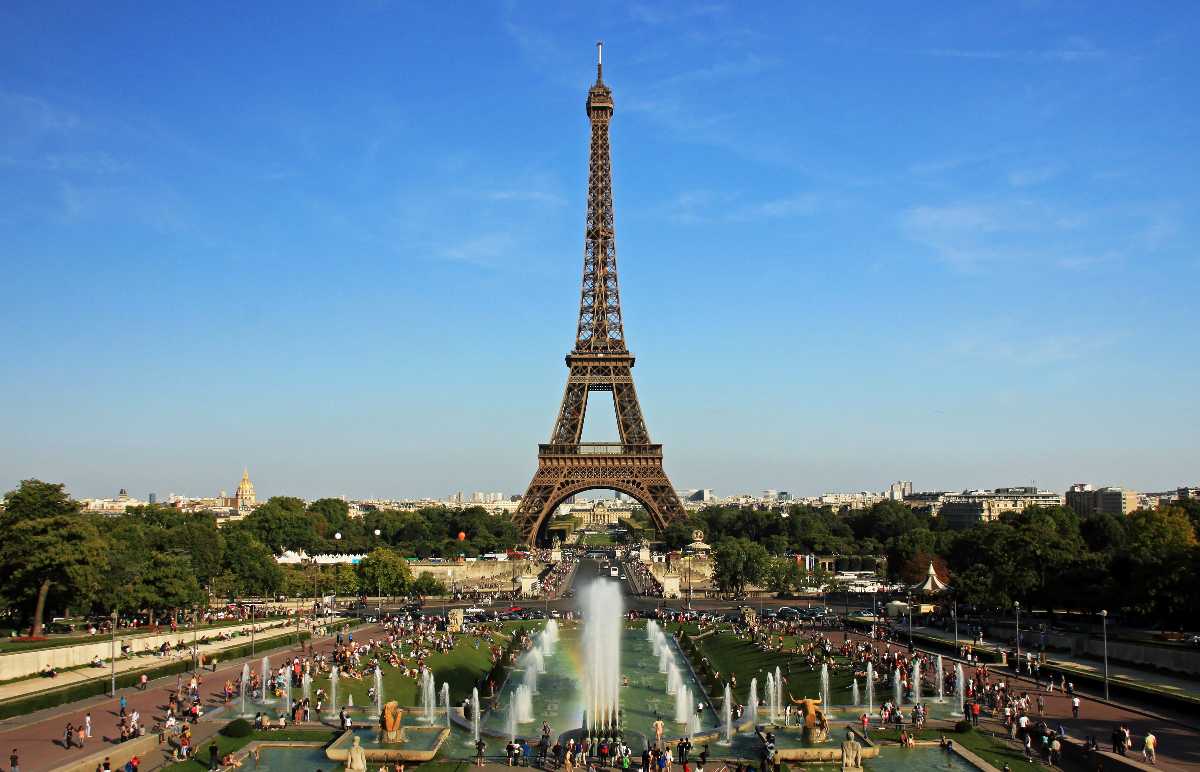
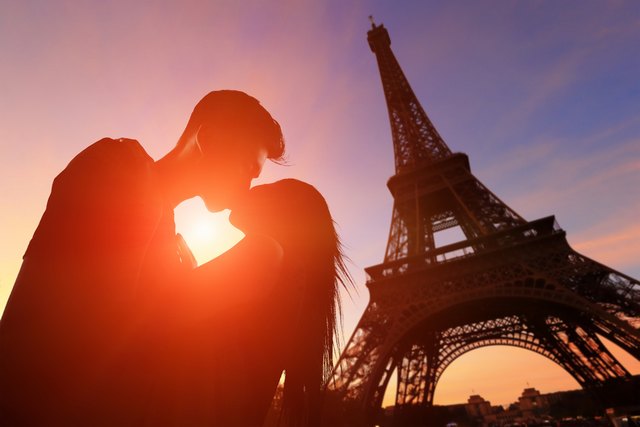
The Eiffel Tower is the very symbol of Paris, more so like a civic emblem

The Eiffel Tower is to Paris, what the Statue of Liberty is to New York or the Big Ben is to London. Gustave Eiffel built this iconic iron tower in 1889 for the World Exposition to celebrate the centennial of the French Revolution. Built as a temporary exhibit, only later did the city officials recognise its worth as a radio-telegraph station, and now it is one of the busiest tourist attractions. Absorb the City of Lights with a resplendent view from the 2nd and 3rd floor and the newly built transparent 1st floor. Tickets are available at the base of the tower, however it is advisable you make an advance purchase from the website owing to the immense rush.

Timings:

9:00 AM – 12:00 AM

 Entry Fee:

Adult – EUR 17,
Children (below 12) – EUR 12

2. The Louvre
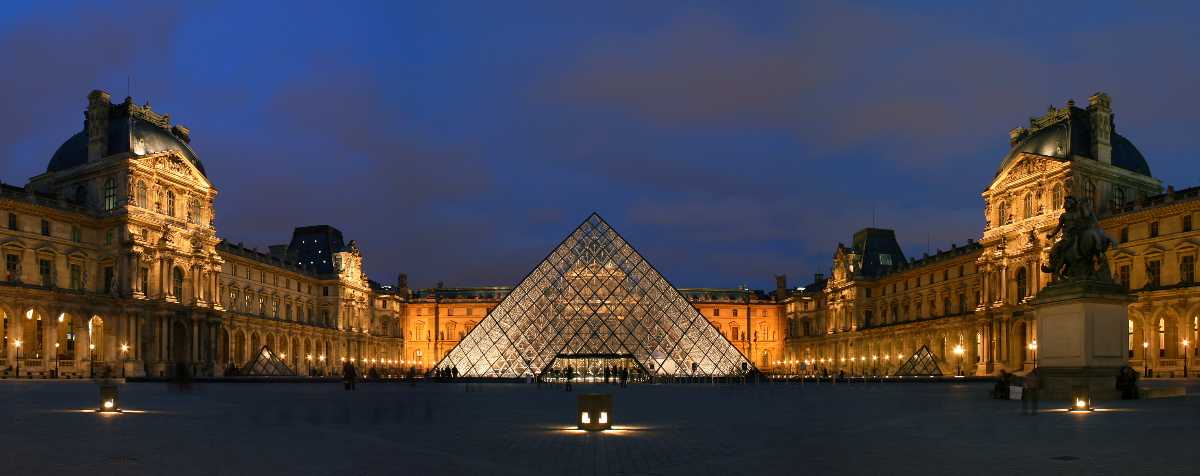
Musee du Louvre is one of the world’s largest museum known for its masterpieces.

Originally built as the palace of French kings, the walls of the Louvre have been witness to a lot of historical events since the very inception. Now it is home to some spectacular collections dating back to prehistoric times, divided into eight departments – Egyptian Antiques; Oriental Antiques; Islamic Art to name a few. The Mona Lisa, Venus de Milo, art by Rembrandt, Vermeer, Caravaggio are without doubt the popular ones. Attached to the Louvre are the Gardens of the Carrousel, the Tuileries and the Eugne Delacroix museum, which are also worth a visit. Be ready to be enchanted as you enter through the glass Pyramid de Louvre and let the museum mesmerize you till the very end.

Timings:

Monday – Sunday: 9:00 AM – 6:00 PM,
Wednesay & Friday: 9:00 AM – 9:45 PM,
Closed on Tuesday

 Entry Fee:

  EUR 15,
Free entry on the first Sunday from October – March

3. Notre Dame
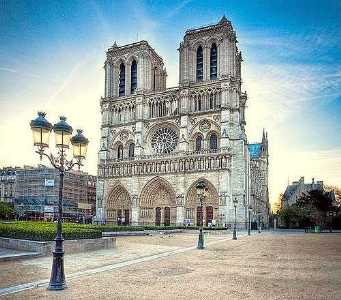
Cath_drale de Notre-Dame is a Roman Catholic church on the Ile de la Cit_, known for its architecture.

Timings:

Monday – Friday: 8:00 AM – 6:45 PM,
Saturday – Sunday: 8:00 AM – 7:15 PM

 Entry Fee:

Free Entry to the Treasury is chargeable at a minimal EUR 3.

4. Cruise on Seine River
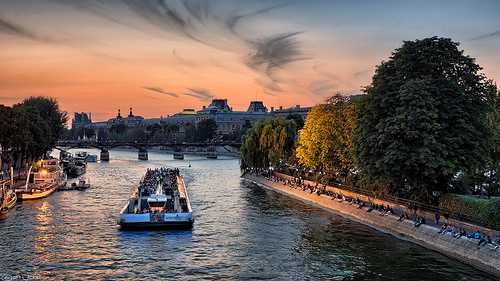
A cruise on the Seine right through the heart of Paris.

Departing from the foot of the Eiffel Tower, this hour long cruise takes you through the historic centre of Paris. Sit back, relax, as you get spectacular glimpses of the city’s most iconic monuments – Notre-Dame Cathedral, the Louvre and the Mus_e dÍOrsay, amidst others. Audio guides are available in different languages giving you insights about the city. So grab a crepe and hop on board, while you drift on the gentle waters of Seine.

Timings:

Day & Night

Entry Fee:

Adult – EUR 20,
Children (below 12) – EUR 12

5. Champs Elysees
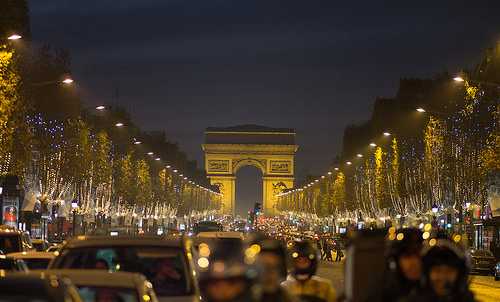
Paris’s iconic 2 km promenade stretches from the Place de la Concorde to the Place Charles de Gaulle. There exists a plethora of restaurants, boutiques, flagship stores in the likes of Hard Rock Cafe, Louis Vuitton, Mont-Blanc, Ferrari, Abercrombie and Sephora. Pure delight for all you brand conscious shopaholics! During festival time, this place is a sight to behold. The Fondation Louis Vutton, the restored Grand Palais, Petit Palais and Musee de Louvre stand as adornments to this beautiful avenue. The regal Arc de Triomphe, puncturing the street offers a panoramic view of the city from a height. Fondation Louis Vutton – The Fondation towers over Bois de Boulogne and is like a magnificent ship with billowing sails. Frank Gehry, the designer has revolutionanised the use of glass, by embellishing the panes with dyed filters that create fields of vibrant hues. Commissioned by Bernard Arnault, chairman of the luxury goods conglomerate LMVH, it houses Bernart’s private collection amidst others. Grand Palais – This architectural masterpiece made of stone, steel and glass is comprised the Nave, National Galleries and Palais de la D_couverte. Characerized by a large glass dome, don’t miss this if in Champs Elysees. L’Arc de Triomphe – The 164 foot towering arch is a commemoration to the valiant soldiers who served in Napolean’s army. The climb to the top is worth for a spectacular bird’s eye view of the city, while you can halt way as well to just visit the museum.

6. Musee d’ Orsay

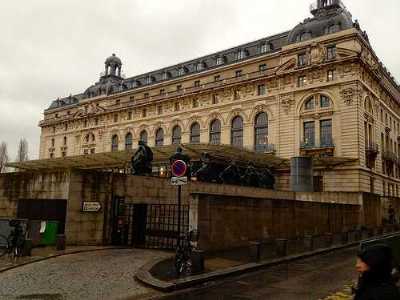
Originally a railway station, the Musee d’Orsay , is now home to some mesmerizing collections, with the structure of the Beaux-Arts station retained.

This museum is renowned for its rich collection of impressionist and post impressionist paintings by the likes of C_zanne, Van Gogh, Monet, Degas, Gaugin. Also on display is various expressive forms of paintings, art, as well as sculpture. Renovated in 2011, some new rooms have been added, along with an aquatic themed Cafe!
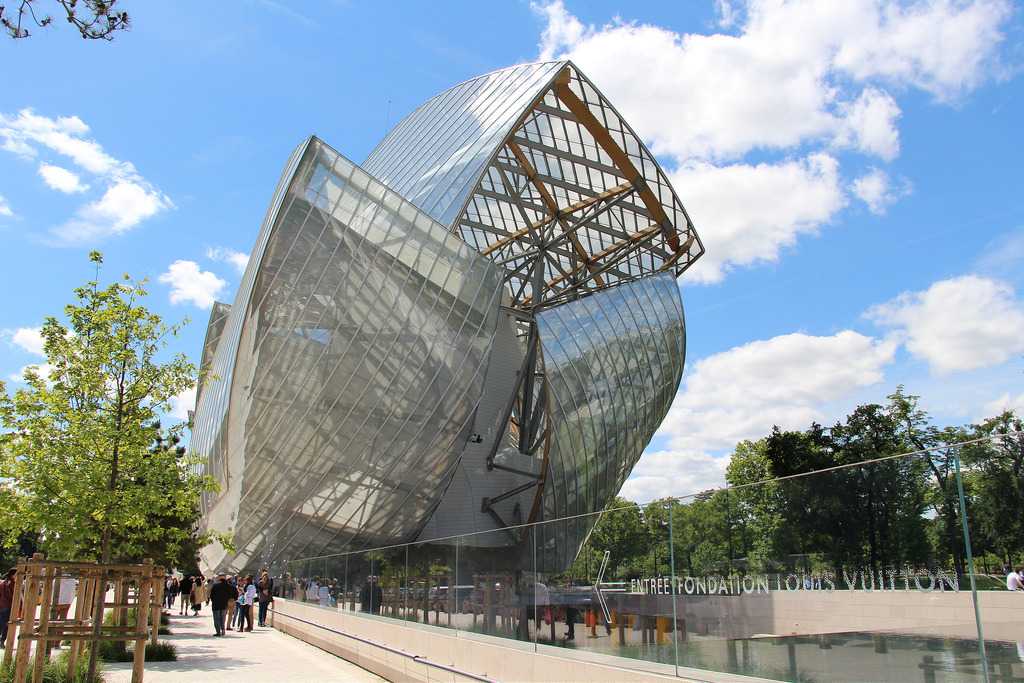
7. Foundation Louis Vuitton

The Louis Vuitton Foundation is an art and cultural museum funded by the LVMH group.

The Fondation towers over Bois de Boulogne and is like a magnificent ship with billowing sails. Frank Gehry, the designer has revolutionanised the use of glass, by embellishing the panes with dyed filters that create fields of vibrant hues. Commissioned by Bernard Arnault, chairman of the luxury goods conglomerate LMVH, it houses Bernart’s private collection amidst others.
 

8. Jardin du Luxembourg
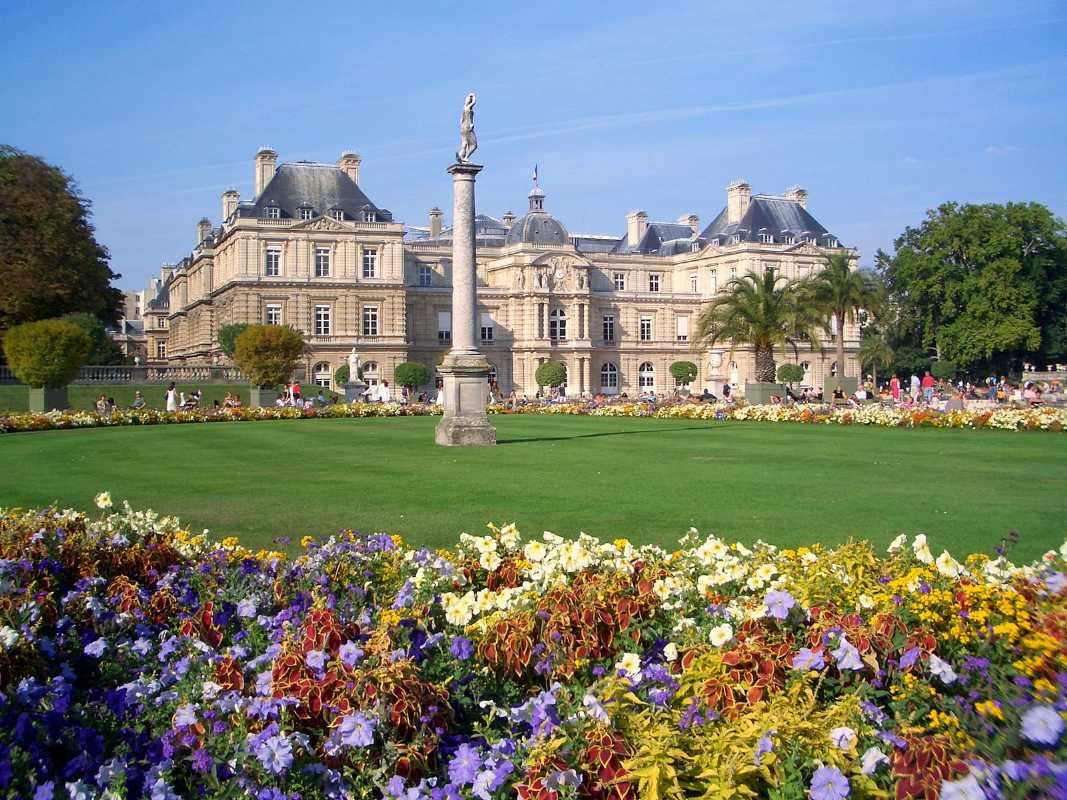
 

Situated near the Latin Quarters, the Luxembourg Gardens is the second largest public park in Paris.

The garden of the French Senate is inspired by the Boboli Gardens in Florence. Set amidst lush greenery, this place is perfect to savour the cosmopolitan atmosphere while you watch the locals. Spend a lazy evening learning bee keeping, playing chess or simply relaxing.

9. Cimetiere du Pere Lachaise
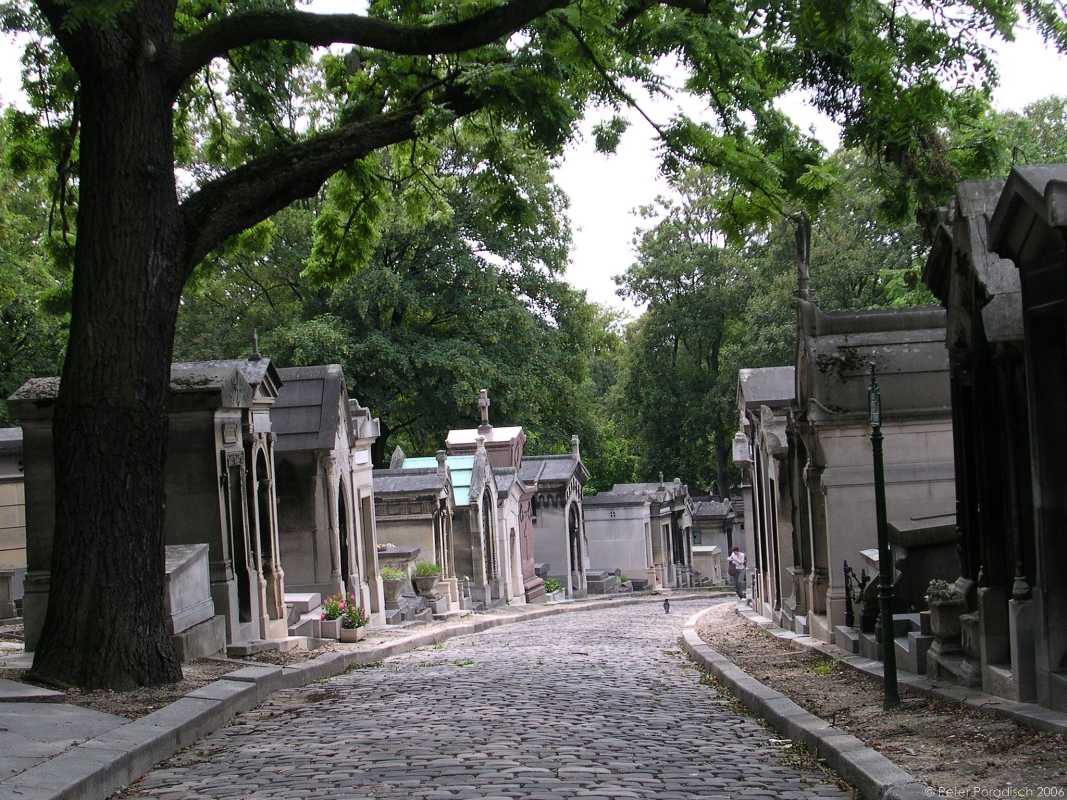
The largest cemetery in Paris is an extremely peaceful walk as you pay homage to some of the renowned names in history.

10. Cabaret
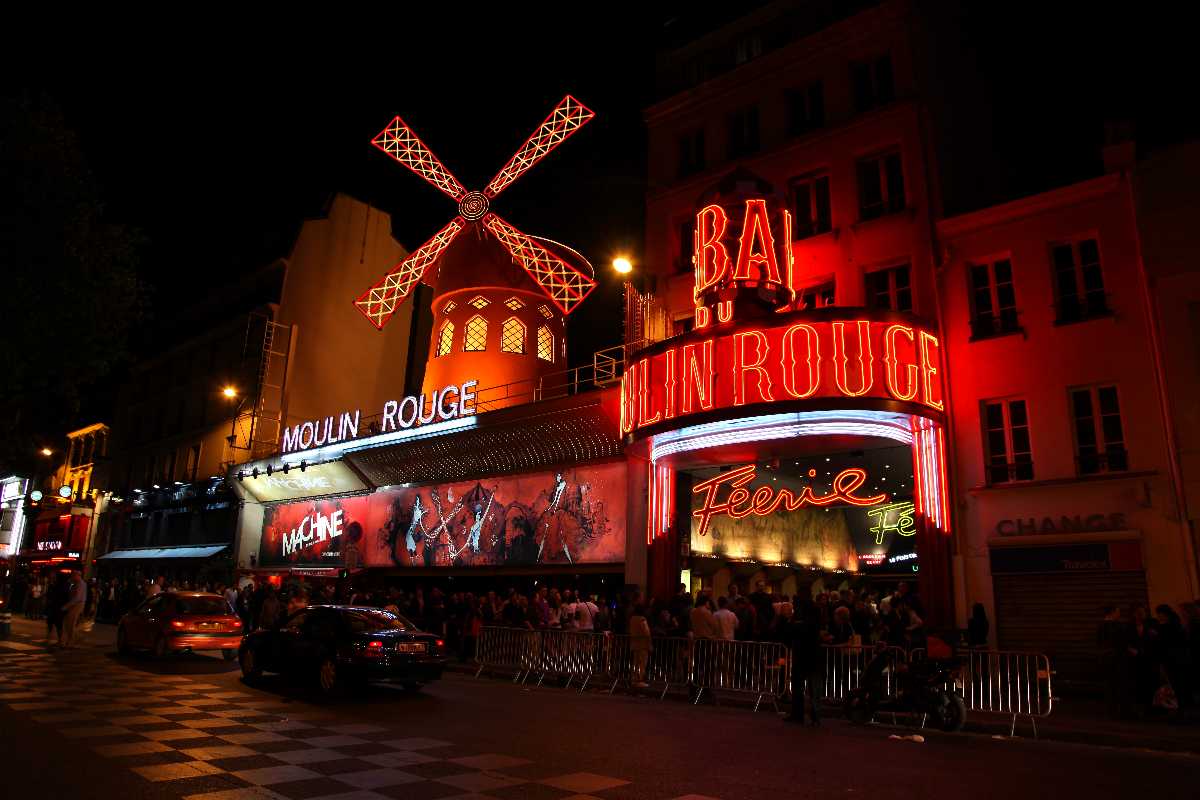
Paradis Latin was transformed into the most famous cabaret location in Paris, by Gustave Eiffel.

Situated a short walk away from the Notre Dame, this Cabaret is probably the oldest in the world. A vivacious mix of dance, music, acrobatics and magic, the show is imbued with French joie de vivre (joy of living). You can choose the dinner-spectacle option to dine during the show or settle for some champagne.

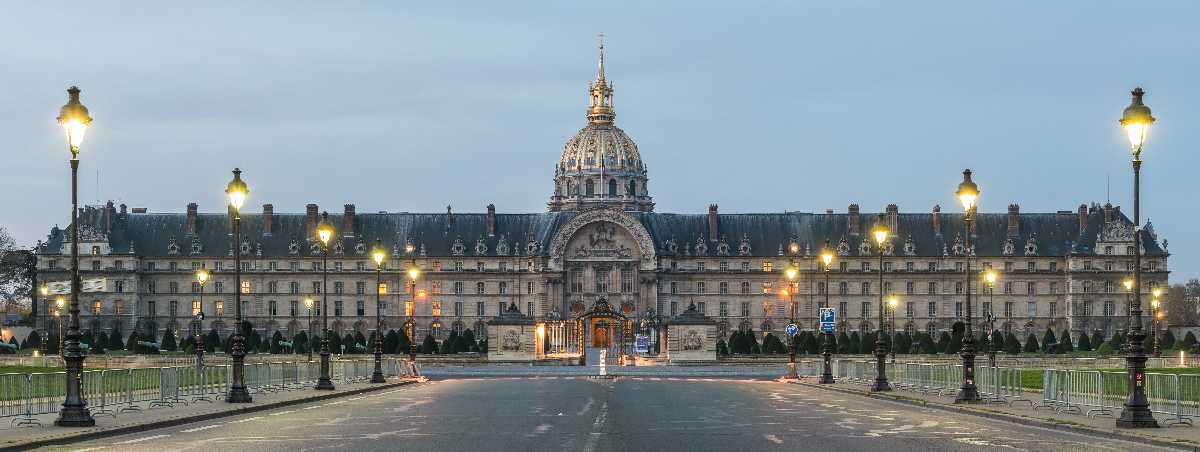
11. Hotel Des Invalides

The facility was originally built to shelter invalides (disabled war veterans). Even today a portion of the building serves as a veterans’ residence and hospital.

The Äglise du Dome, with its sparkling golden dome, is one of the finest religious edifices. It served as an inspiration for the US Capitol building. This is also the eternal home of Napoleon Bonaparte, after his tomb was moved from the island of St. Helena.
12. Place de la Concorde
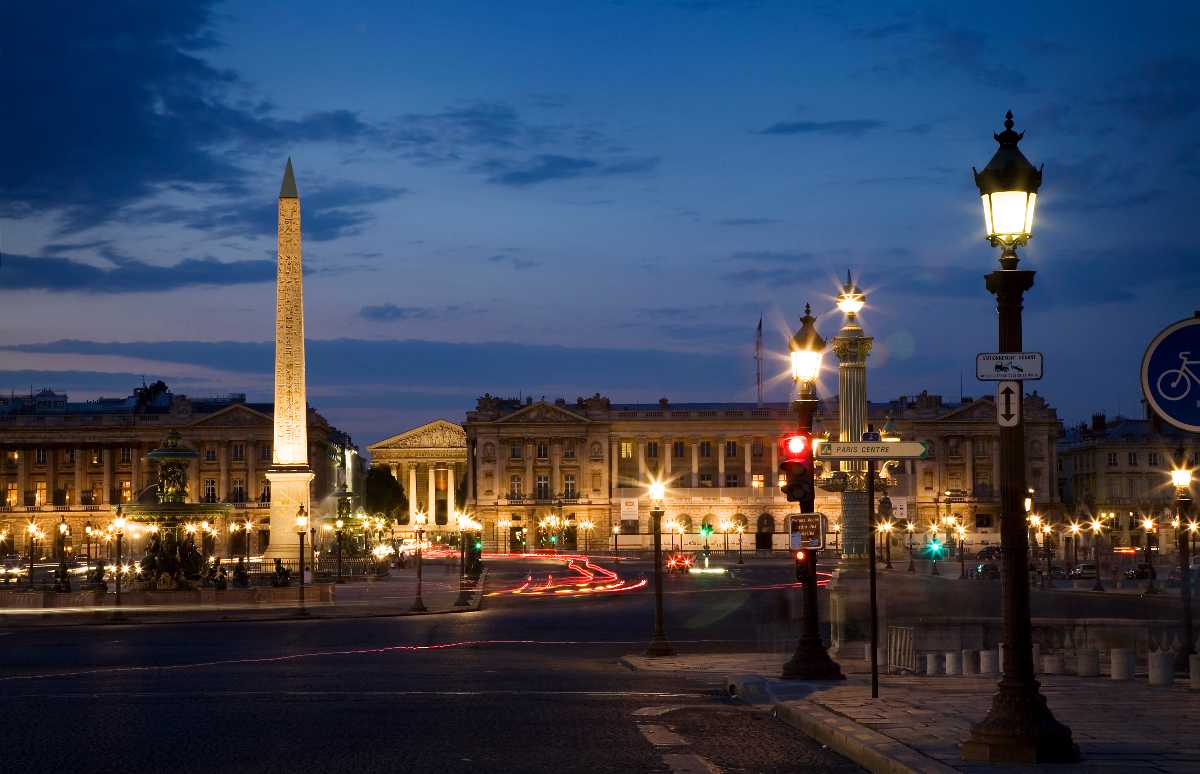
The Place de la Concorde is the largest public square in the French capital and one of the major squares in Paris, France. The square, designed by Ange-Jacques Gabriel in 1755, is octagonal and is bordered by gardens, hotels, and emblematic statues on each angle. The two fountains, Fountain of River Commerce and Navigation, and the Maritime Fountain, that date back to the time of Louis-Philippe and the beautiful view of the Eiffel Tower on one side, and the River Seine along with it makes Place de la Concorde a must visit. It also contains the renowned Obelisk that dates back to ancient Egyptian times. There are magnificent attractions that are present near Place de la Concorde such as Palais Bourbon, Jeu de Paume, Roue de Paris, Tuileries Garden, and Musee de l’Orangerie.

WHEN TO VISIT & GENERAL TIPS:

  • Summer is the high season in Paris with longer days and the best possible weather. But summer in Paris also means more tourists, long lines to visit Paris’ main attractions and higher prices.Generally speaking, the shoulder season – Spring and Fall – is good because it’s often less crowded and the temperature is pleasant.
  • At the Airport, only Use Regular Taxis.                                                                                      
  • The Parisian Metro takes you everywhere in Paris, with opening times starting from 5.30 am to 2.15 am on weekends. Apart from the single metro tickets, valid also for bus and tram rides, the Parisian Metro has different passes well worth the investment, especially if you take the metro more than 3 times a day.
 MUST WATCH THIS VIDEO…..

Amazing Rio De Janeiro


Rio de Janeiro or simply Rio is anchor to the Rio de Janeiro metropolitan area and the second-most populous municipality in Brazil and the sixth-most populous in the Americas. Rio de Janeiro is the capital of the state of Rio de Janeiro, Brazil’s third-most populous state. Part of the city has been designated as a World Heritage Site, named “Rio de Janeiro: Carioca Landscapes between the Mountain and the Sea“, by UNESCO on 1 July 2012 as a Cultural Landscape.

Founded in 1565 by the Portuguese, the city was initially the seat of the Captaincy of Rio de Janeiro, a domain of the Portuguese Empire. Later, in 1763, it became the capital of the State of Brazil, a state of the Portuguese Empire. In 1808, when the Portuguese Royal Court transferred itself from Portugal to Brazil, Rio de Janeiro became the chosen seat of the court of Queen Maria I of Portugal, who subsequently, in 1815, under the leadership of her son, the Prince Regent, and future King João VI of Portugal, raised Brazil to the dignity of a kingdom, within the United Kingdom of Portugal, Brazil, and Algarves. Rio stayed the capital of the pluricontinental Lusitanian monarchy until 1822, when the War of Brazilian Independence began. This is one of the few instances in history that the capital of a colonising country officially shifted to a city in one of its colonies. Rio de Janeiro subsequently served as the capital of the independent monarchy, the Empire of Brazil, until 1889, and then the capital of a republican Brazil until 1960 when the capital was transferred to Brasília.

download (4)

Rio De Janeiro   (Brazil)


The best things to do in Rio de Janeiro

Watch this video which contain 18 most Excellent things to do in Rio de Janeiro click on it…..

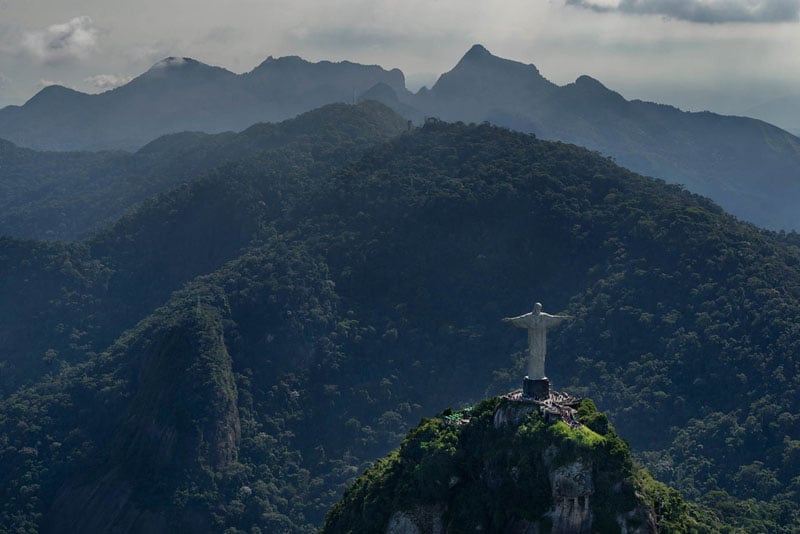
1) Christ the Redeemer

things-to-do-in-rio-de-janeiro-mountains

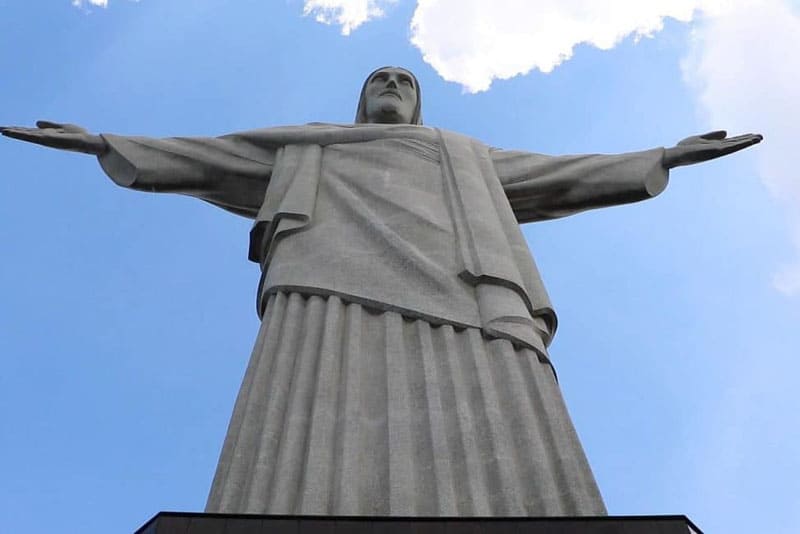
One of the most iconic things to do in Rio de Janeiro is to visit Christ the Redeemer.

It’s one of the most recognized in the world. When picturing Rio, this is what everyone envisions. Christo Redentor stands proudly over the city at the top of Corcovado Mountain.

christ-the-redeemer

To visit you can hike up the mountain, take a minibus or enjoy a scenic train ride.

Standing at 38 metres high, this is one imposing statue that is not to be missed.

I highly recommend going in the morning or at sunset. Midday is extremely busy with tours.

2) Copacabana Beach

things-to-do-in-rio-de-janeiro-beach

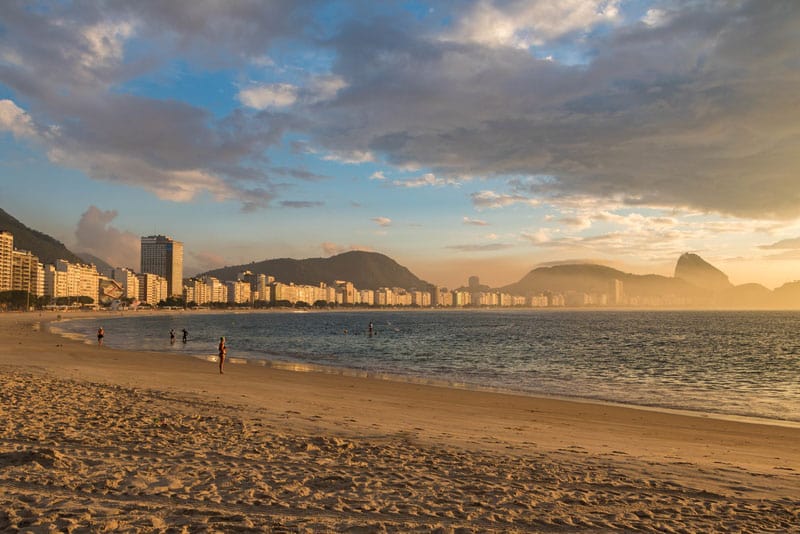
It’s the most famous beach in the world and a trip to Rio wouldn’t be complete without spending at day at Copacabana.

This four km iconic beach is filled with energy and excitement.

Vendors and restaurants line the sand and a wide paved pathway along the road makes for an easy stroll.

What we love about Copacabana Beach is how there are no hotels on the beach, they are all located across the road.

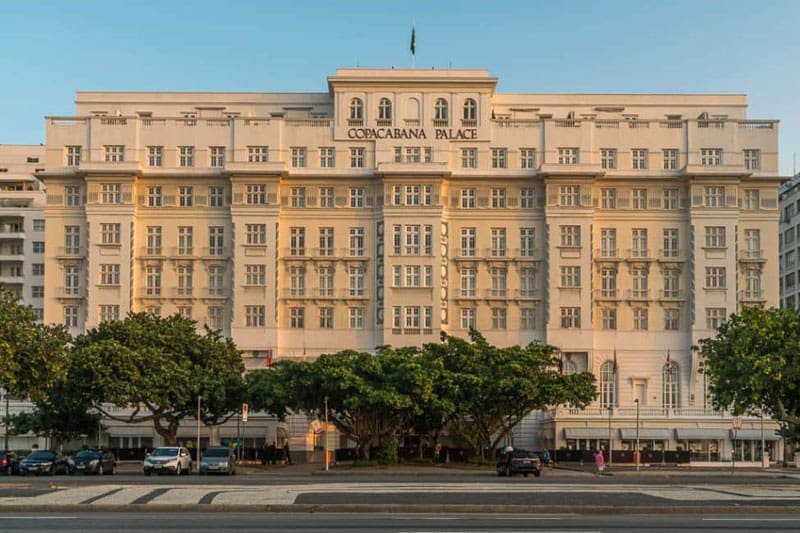
copacabana-palace

Stay at the historic Copacabana Palace Hotel.
The most iconic hotel is the Belmond Copacabana Palace Hotel.

This hotel was the first in the area dating back to 1923. It’s almost as if the beach life built up around the Copacabana Palace.

The art deco building takes up an entire city block and is the epitome of old-world luxury mixed with urban chic.

3) Sugarloaf Mountain

things-to-do-in-rio-de-janeiro-cable-car.jpg

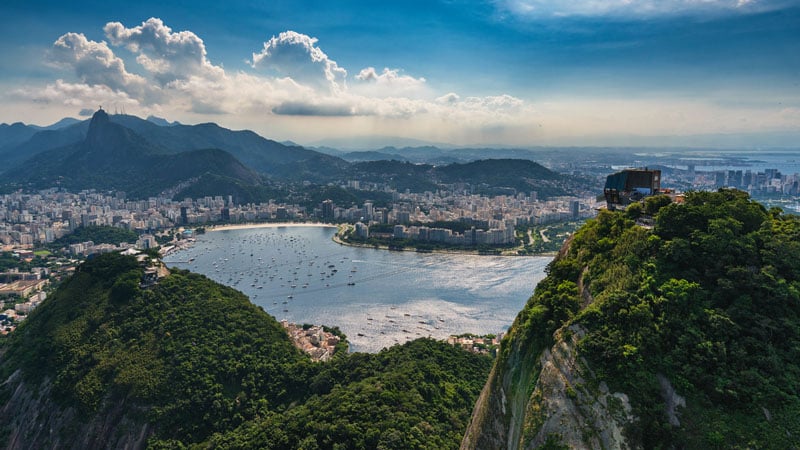
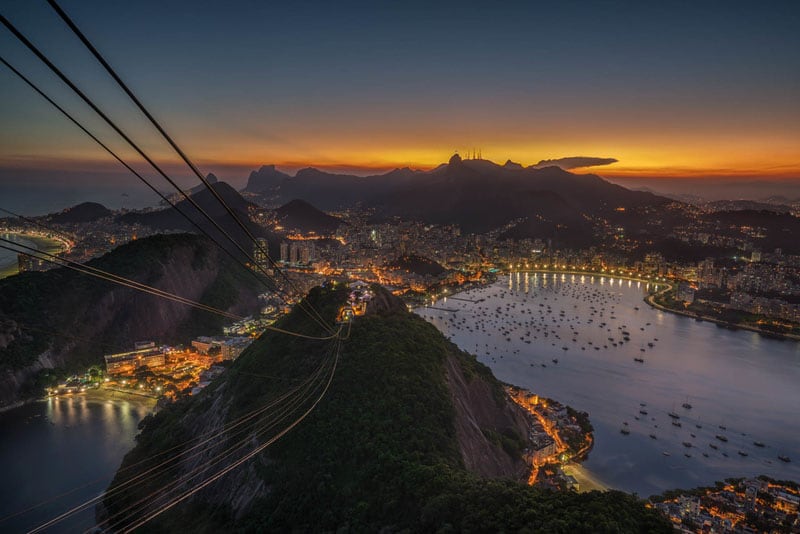
Sugarloaf Mountain rises 396 m over the Rio Harbour and really contributes to the aesthetic of the city’s spectacular skyline. It is named so because it resembles a Sugarloaf; a hard packed bunch of sugar that looks like a cone.

Sugarloaf mountain is an excellent spot to watch the sunset and take in the panoramic views of the city.

Getting to the top involves taking two cable car rides dangling over the gap between two mountains.

The ride is a thrill as it takes you to the top of the city.

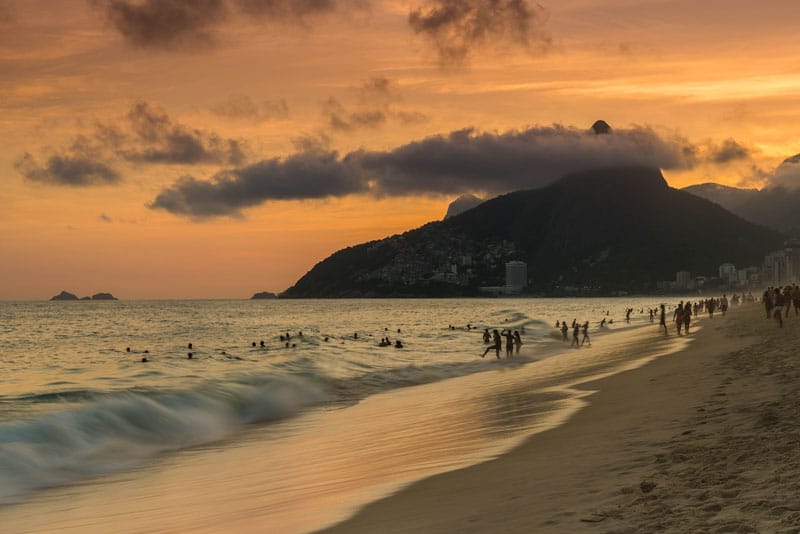
4) Ipanema Beach

things-to-do-in-rio-de-janeiro-sunset.jpg

Ipanema Beach is essentially attached to Copacabana Beach located just around a pier.

This is another long stretch of Rio sand where people play beach volleyball and bask under sun umbrellas.

Just a block up from the beach, you can visit the Girl From Ipanema Cafe where the famous song was penned.

Ipanema is more of a residential area than Copacabana so there aren’t as many hotel choices, but there are three beach hotels.

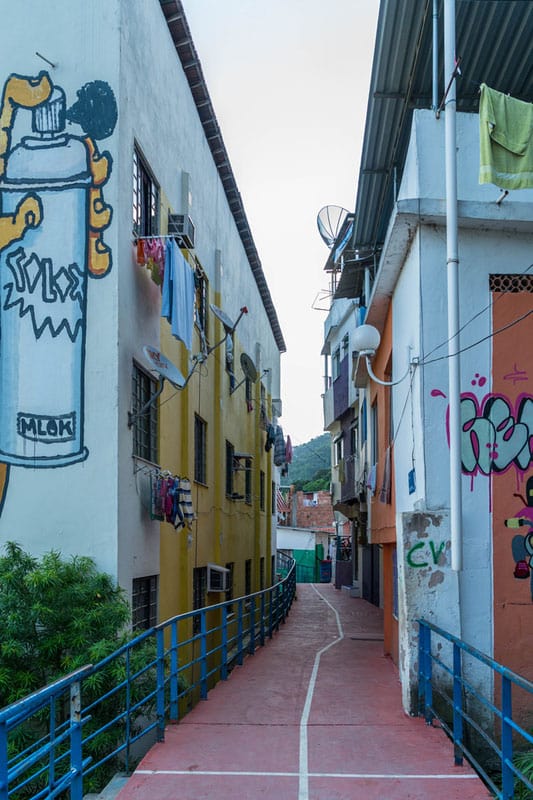
5) Santa Marta Favela Tour

If you want to learn more about Rio culture, take a favela tour to visit local communities.

There are 800 favelas in Rio and nearly 1.5 million people inhabit these shanty towns.

Favelas used to be overrun by drug lords and gangs, but they are slowly being pacified and now there are a handful of favelas that are safe for tourists to visit.

santa-marta-favela.jpg

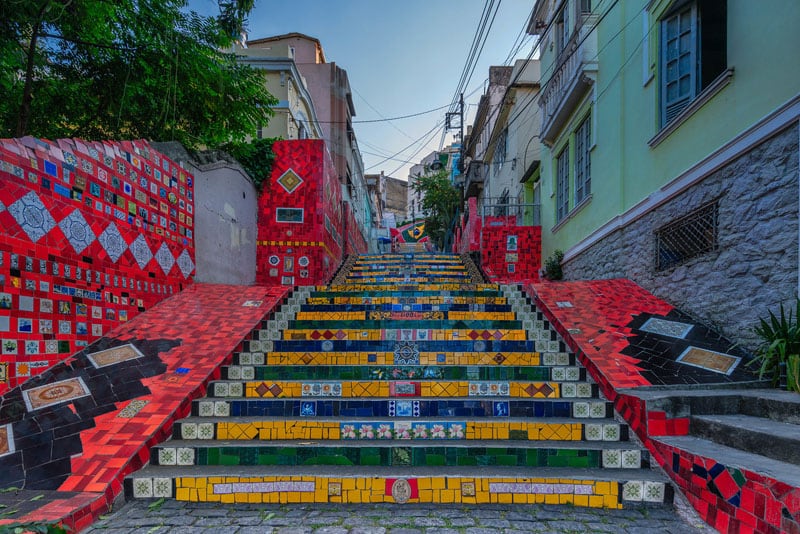
7) Lapa Steps

things-to-do-in-rio-de-janeiro-stairs.jpg

The Lapa Steps are a popular attraction where visitors can climb the 215 colourful tiled steps that lead from the Lapa neighbourhood to Santa Teresa.

Chilean Artist Escadaria Selarón started laying tiles on the dilapidated steps that ran in front of his house.

He laid colourful tiles from around the world until his death in 2013.

There are more than 2000 tiles from more than 60 countries from around the world. The steps have turned into a masterpiece.

8) Helicopter Scenic Flight

sugarloaf-mountain.jpg

9) Downtown Rio

things-to-do-in-rio-de-janeiro-alley.jpg

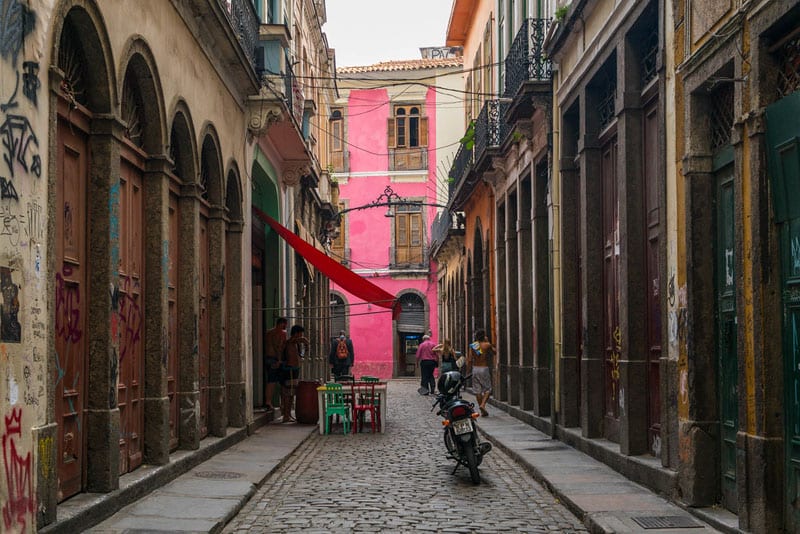
Downtown Rio is definitely worth spending a day to explore.

The alleyways are charming mazes filled with cafés and stores.

There’s markets, cathedrals, museums and monasteries. If you get a chance, be sure to take a Rio City tour.

10) Museum of Tomorrow

museum-of-tomorrow.jpg

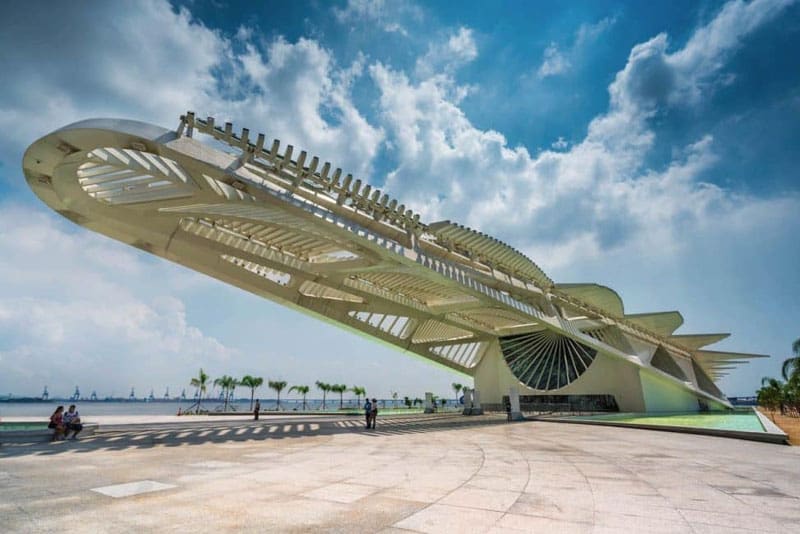
The Museum of Tomorrow is located on the waterfront of downtown Rio. Opening in December 2015, it is one of the world’s most extraordinary architectural designs.

While touring downtown Rio, you must make a stop at this museum.

The museum is devoted to ways to avoid climate disaster, environmental degradation, and social collapse.

11) Dona Marta Lookout

Many people feel that the best view of Rio is from Christ the Redeemer, but you actually get a far more stunning view from just part way up Corcovado at the Dona Marta Lookout.

Standing at 275 meters high, it definitely gives you the best view of the city and the bonus is there aren’t any crowds.

Unlike Christo, this lookout is rarely shrouded in clouds. Hire a car and head there for sunset.

12) Samba

samba.jpg

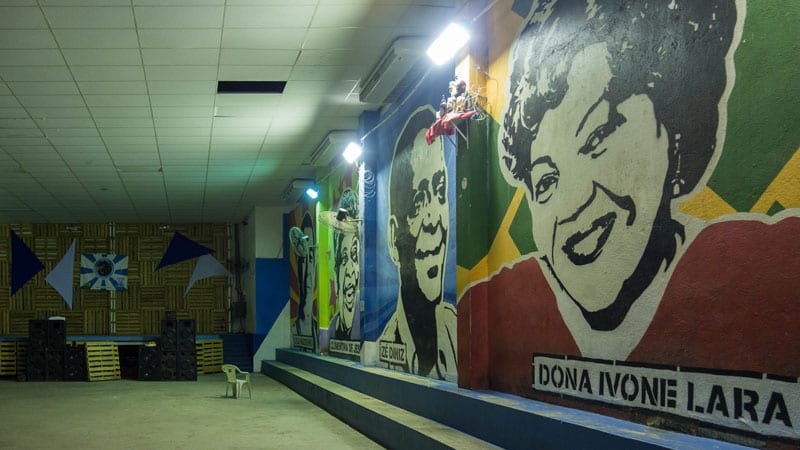
Every year Rio hosts the biggest party on earth. The Rio Carnival is legendary.

It’s all about the samba culture and if you visit a favela you will learn a bit about it.

Make sure to stop at the Sambadrome to see the parade route where schools compete for the title of best samba troupe.

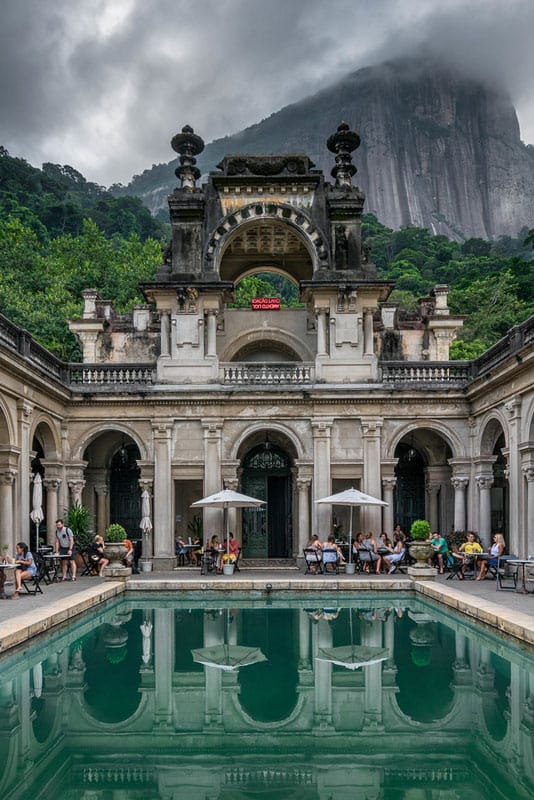
13) Parque Lage

things-to-do-in-rio-de-janeiro-pool.jpg

For a quiet escape visit the public park of Parque Lage.

A mansion stands in the center of the park surrounding a pool where you can sit in a cafe and enjoy a cup of coffee as you take in the view of Christo above.

There are walking trails and many families choose to picnic here on the weekend.

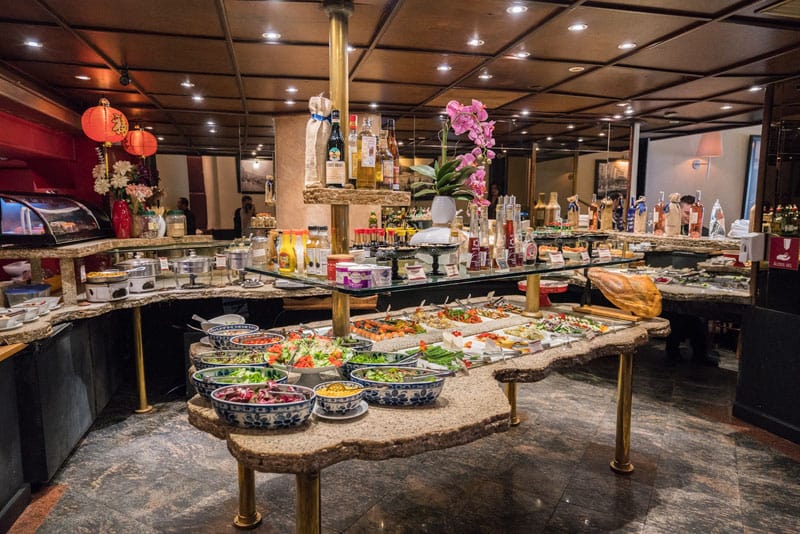
Food of Rio

brazil-restaurant.jpg

In Rio, the place to do this is the Churrascaria Palace. When you walk into this famous eatery, you feel as if you have stepped back in time.

Waiters in black and white bring cuts of prime meat around to your table and slice off top cuts with skill and ease.

The meal begins at the salad bar that is filled with delicious treats like sushi, fresh fruits and vegetables, endless salads and bread.

Don’t fill up though, because the perfectly seasoned meats will keep coming to your table until you can’t eat another bite.

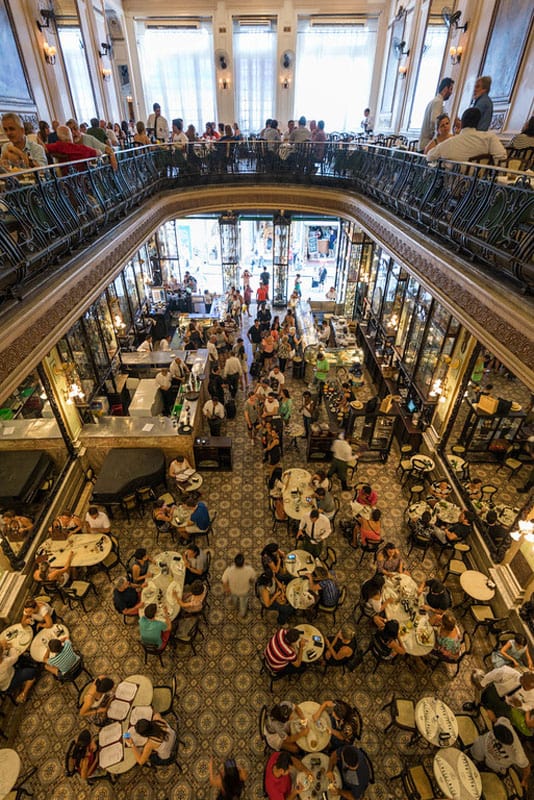
Lunch at the Confeitaria Colombo

things-to-do-in-rio-de-janeiro-restaurant.jpg

Another iconic stop for food is the Confeitaria Colombo. Built in the late 1800s, this Parisian style cafe serves pastries and desserts mixed with high tea. Many people stop in and browse the delectable treats downstairs.

There is an upstairs dining experience as well where you can eat fresh food from the buffet while the piano man plays popular classic tunes throughout your meal.

Take a ride on Rio’s oldest elevator and peek over the balcony lets around a large oval.

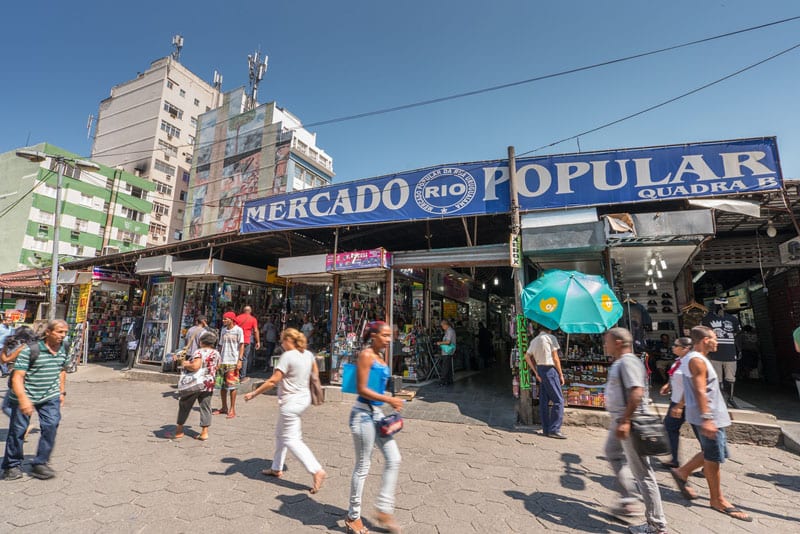
Shop at the Mercado Popular

things-to-do-in-rio-de-janeiro-market.jpg

If you want some deals, the Mercado Popular is a great way to spend the afternoon.

The vendors from Ipanema and Copacabana shop for their wares at this market so you can be sure you’ll get a great deal. There are Haviana flip-flop shops everywhere.

Rio Scenerium

live-music.jpg

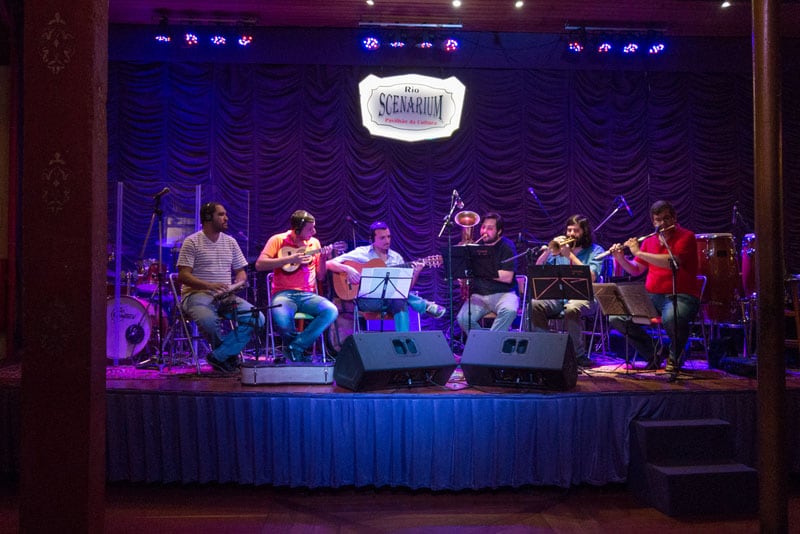
Rio Scenerium is just the coolest nightclub in town, as live bands play while Samba dancers show off their talents.

With three floors of memorabilia, private rooms and quiet corners, it’s the perfect spot to spend an evening. Take some samba lessons and hit the dance floor.

Everyone is very welcoming and you’ll soon find yourself with a partner showing you the ropes.

But if you aren’t up for dancing, don’t worry, listening to the talented bands play is worth entering alone.

Cool Night of Rio

things-to-do-in-rio-de-janeiro-night.jpg

NIGHT VIEW OF RIO

Rio is spread out and congested with traffic, so be sure to give yourself plenty of time for sightseeing.

Private guides are an excellent way to get around as they can navigate through traffic, give you insider tips, and keep you out of the more questionable neighbourhoods.